

Emigrating to Galicia: What You Really Need to Know Before You Make the Move
Emigrating to Galicia: What You Really Need to Know Before You Make the Move
When we decided to emigrate to Galicia, we had a head full of questions and an internet full of contradictory information. What does it really cost? What about the paperwork? And isn’t the climate too wet? After months of preparation — and now more than three months of living in this beautiful corner of Spain — we can finally give you honest answers. In this article, we bring together everything we wish we’d known ourselves.
Why Galicia and Not the Rest of Spain?
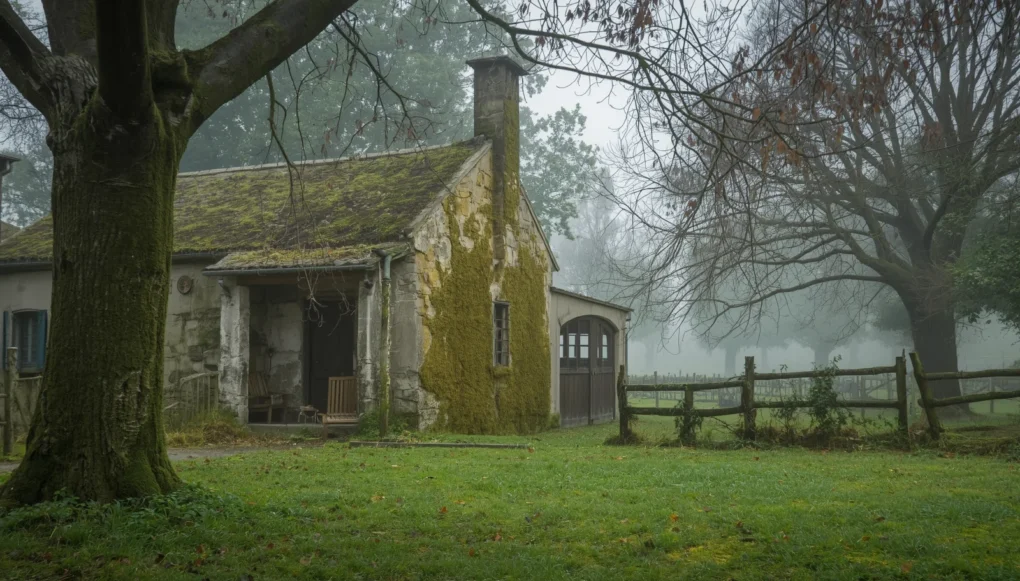
When you say you’re emigrating to Spain, most people immediately think of Málaga, the Costa Blanca or the Canary Islands. Galicia is the other Spain. The green, peaceful, affordable north that many foreigners overlook — and that’s exactly what drew us to it.
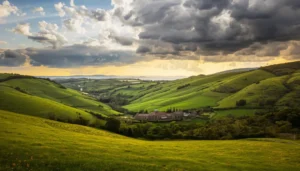
Galicia has what the rest of Spain often lacks: real nature, low population density, affordable housing and a pace of life you can literally feel slow down. The people are friendly, the food is outstanding (octopus, fresh fish, Albariño wine) and the region has a rich culture of its own, including its own language: Galician.
Is it for everyone? No. If you’re looking for uninterrupted sunshine from May to September, this isn’t the place. But if you’re looking for peace, space and authenticity, you’ve found your place here.
What Does Life in Galicia Really Cost?

One of the most common questions we get: is living in Galicia really cheaper than in the Netherlands? The honest answer is: yes, but not everywhere and not always.
Rent and buying: Extraordinarily affordable compared to the Netherlands. For €600–€800 per month you can rent a decent home in a village or smaller town. Buying is possible from €80,000 for a renovated stone farmhouse.
Groceries: Fresh produce — vegetables, fruit, fish, meat — is noticeably cheaper than in the Netherlands. Supermarket chains like Mercadona and Lidl are very affordable. Imported Dutch products (chocolate sprinkles, liquorice, cheese) are either impossible to find or expensive. On average, groceries are around 4% cheaper.
Restaurants: A set lunch menu (menú del día) with three courses including a drink costs an average of €15. More expensive dining exists too, but it’s the exception.
Utilities: Electricity and gas have risen in recent years — as across the rest of Europe — but are still lower than in the Netherlands.
The conclusion: you can live comfortably here on less money, but don’t expect a fairy tale. Being sensible with money pays off, but there are surprises here too.
Buying a House in Galicia: Can You Really Do It for €20,000?
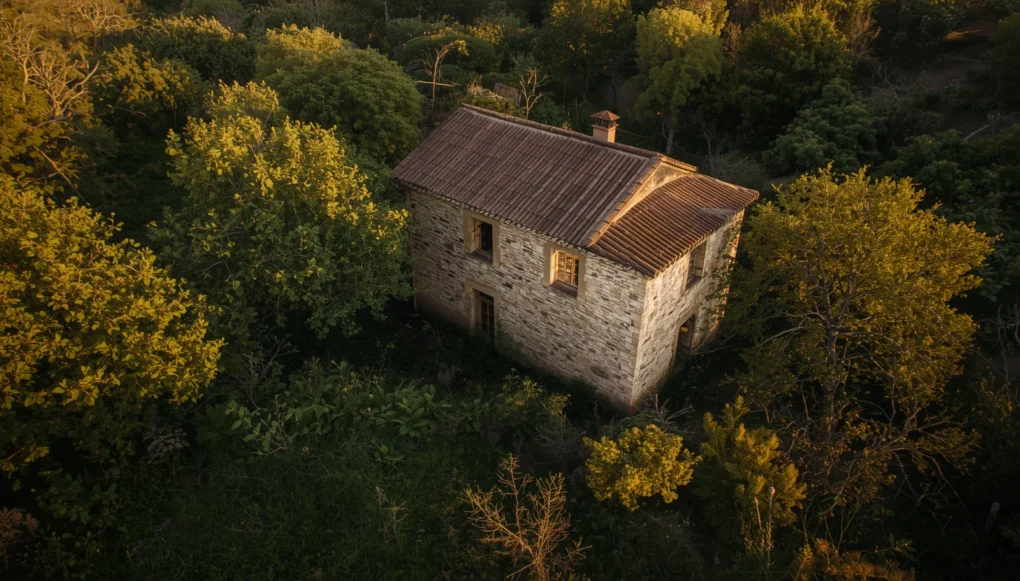
Yes, those houses exist. Old stone farmhouses (casas de aldea) in remote villages are indeed advertised for €15,000 to €30,000. But there’s a big “but.”
That price is the purchase price. Renovation costs can be two, three or even four times higher. Installing electricity, replacing water pipes, replacing a roof — it all adds up quickly. Unless you can do a great deal of the work yourself, you should budget a total of €80,000 to €150,000 for a liveable end result.
What’s more: always check the ownership situation. In Galicia, many old properties are owned by multiple heirs, some of whom may live in Argentina or Brazil. A property transfer can therefore take years.
Always use a local abogado (lawyer) who represents you — not the seller’s lawyer.
Paperwork and Bureaucracy: Where Do You Start?
Spanish bureaucracy has a reputation, and it’s not entirely undeserved. But with the right approach, you can get a long way.
Step 1: Apply for your NIE number The NIE (Número de Identidad de Extranjero) is your identification number as a foreigner in Spain. You need it for almost everything: opening a bank account, buying a car, signing a rental contract. Apply at the Spanish consulate in your home country before you leave, or at the Oficina de Extranjería after arrival.
Step 2: Register with the municipal register (padrón) Once you have a fixed address, register at the town hall (ayuntamiento). This forms the basis of your residency status.
Step 3: Apply for your TIE card As an EU citizen you have the right to live in Spain, but after three months you need to formalise this via the Tarjeta de Identidad de Extranjero (TIE). This proves your legal residency.
Step 4: Health insurance If you work or receive benefits, you automatically fall under the Spanish healthcare system. If you’re early retired or self-employed without Spanish income, you’ll need to take out private health insurance or demonstrate sufficient means of support.
Taxes: Don’t forget that after 183 days per year you become a tax resident of Spain. Get advice from a gestor (tax adviser) about your situation — especially if you still have income or assets in your home country.
The 5 Mistakes You Can Avoid
1. Not keeping enough of a financial buffer Unexpected costs are inevitable: a broken boiler, a car inspection that costs more than expected, delays in bureaucracy. Make sure you have at least six months of living costs as a buffer on top of your moving budget.
2. Not starting your NIE application early enough Waiting times at the consulate can run to weeks. Start this process at least three months before you leave.
3. Underestimating how different the housing market is Estate agents in Galicia work differently than you might be used to. Viewings are informal, prices are negotiable and paperwork takes longer. Don’t expect the speed you’re used to back home.
4. Thinking we’d quickly learn to speak Spanish We now understand a great deal, but actually speaking it is still a challenge. Learning Spanish takes time — and Galician is a separate language you’ll encounter everywhere.
5. Forgetting to let go of the fast pace of life back home In Galicia, everything moves more slowly. Shops are closed between 2pm and 5pm. The doctor doesn’t have an online diary. Your neighbour will stand and chat with you for an hour. That’s not annoying — that’s the culture. But it does require adjustment.
The Language: Spanish and Galician
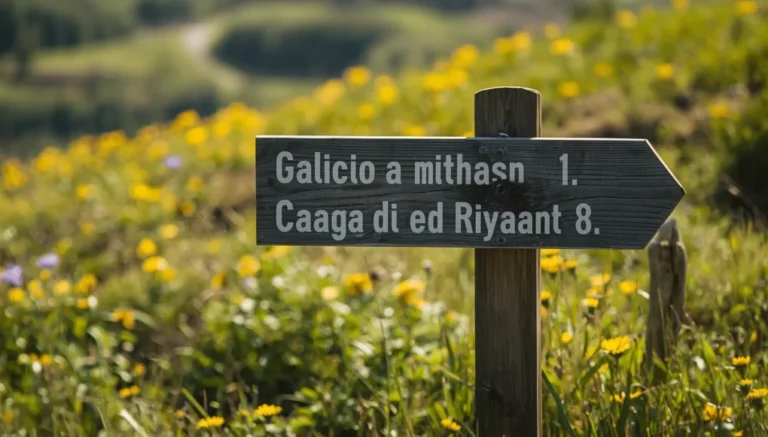
Galicia has two official languages: Spanish (castellano) and Galician (galego). In the cities people mainly speak Spanish, but in the countryside, on the streets and in official documents you’ll encounter Galician everywhere.
Galician resembles a mix of Spanish and Portuguese. If you learn Spanish, you’ll quickly begin to understand Galician — but speaking it is a different step. Most Galicians switch effortlessly between both languages and will never make things difficult if you only speak Spanish.
Our advice: learn as much Spanish as possible before you leave. Apps like Duolingo help with the basics, but a proper course or a language exchange (intercambio) works wonders.
Frequently Asked Questions About Emigrating to Galicia
Is Galicia cheaper than the Netherlands? In most respects, yes: rent, food, restaurants and services are noticeably cheaper. Energy and imported products less so.
Do I need a visa as an EU citizen? No. As an EU citizen you are free to live and work in Spain. You do need to formally register after three months.
How do I apply for a NIE number? Through the Spanish consulate in your home country (make an appointment via their website) or after arrival at the Oficina de Extranjería in the nearest Spanish city.
Is the climate in Galicia really that wet? Galicia is the greenest part of Spain — and there’s a reason for that. Winters are mild but rainy, summers are pleasantly warm (20–25°C) without extreme heat. If you want to escape the Spanish summer heat, this is actually the ideal place.
Is Galicia suitable for families with children? Absolutely. It’s safe, peaceful and the schools are good quality. Children generally adapt to the language quickly.
Can I work as a freelancer here? Yes, but you need to register as autónomo (self-employed) with the Spanish tax authorities. There are fixed monthly social security contributions, but there are also discount schemes for starters.