
What a NIE actually is
Before we could open a bank account, sign anything with a notary, or even register with the town hall, we needed a NIE number. It is one of those things nobody explains properly before you move, and yet it is the single piece of paper that unlocks everything else. We remember being slightly baffled by how much weight this one number carried, and how little anyone tells you about it in advance.
A NIE, Número de Identificación de Extranjero, is a personal tax and identification number issued to foreigners in Spain. It is not a residence permit and it does not say anything about your legal status here. It simply identifies you to the Spanish administration, which turns out to matter enormously, because almost nothing official can happen without it. Buying property, opening a bank account, signing a rental contract, registering a car, paying taxes, even getting utilities connected in your own name all require it. If you are an EU citizen planning to live in Spain, the NIE and your residency registration are usually handled through the same appointment, using form EX-18, which is different from the EX-15 that non-EU applicants use.
What it costs, and what actually takes time
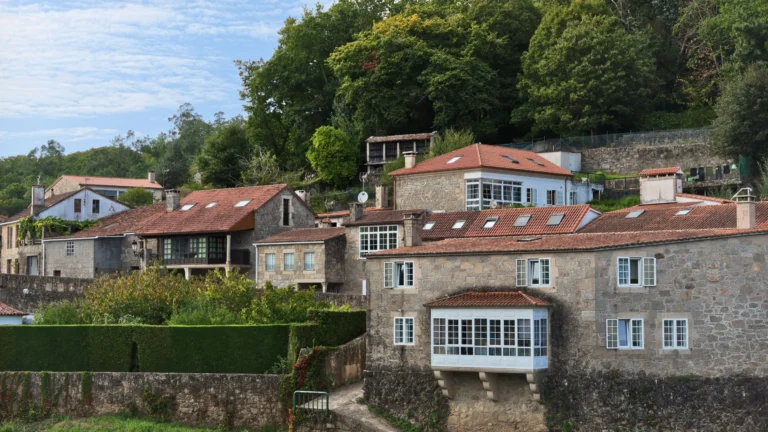
The cost itself is almost nothing, around twelve euros, paid through a form called Modelo 790 either at a bank or, these days, online. What actually costs time and patience is not the fee or the paperwork itself but getting an appointment, the infamous cita previa. In cities like Madrid, Barcelona or Valencia, slots disappear within seconds of being released, and people refresh booking pages for days without luck. In smaller provinces, and this is something worth knowing if you are settling somewhere rural like we did in Lugo, the situation tends to be far calmer. Fewer foreigners are applying in the same window, which means shorter queues and appointments that are easier to come by.
There is also a fully online route now, through a certified intermediary, which lets you get a NIE without setting foot in Spain or a consulate. It is convenient if you need the number urgently, for example to complete a property purchase from abroad, but you pay for that convenience. Prices for this kind of service tend to run into the hundreds of euros, a steep premium compared to the twelve-euro official fee, for something that otherwise just requires an appointment and an afternoon.
How it went for us
In our case, we did not go through the consulate in the Netherlands beforehand, and we did not use one of the paid online services either. The estate agent who sold us our house arranged the appointment for us and came along to guide us through it. That turned out to be enormously useful, not because the process itself was complicated, but because everything happens in Spanish, and having someone there who already knew the office, the staff and the exact order of documents removed a lot of the friction we had braced ourselves for. We simply had our passports, the property purchase agreement as our justification for needing the number, and the paid receipt for the Modelo 790, and walked out a short while later with our NIE certificates on a plain white sheet of paper.
That last part surprised us a little. There is no card, no plastic, nothing that feels official in the way a Dutch ID card does. Just a printed certificate with your number on it, which you then need to keep safe and bring along to nearly every administrative step that follows, from opening a bank account to registering at the town hall for your padrón.
What to arrange in advance
If you are planning this yourselves, a few things are worth knowing in advance. The reason you give for needing the NIE has to be backed up with a document, whether that is a property purchase contract, a mortgage approval, a job offer or something similar proving an economic or professional interest in Spain. If you are buying a house, the seller’s agent or your own gestor will often already know the ropes and may be willing to help the way ours did, so it is worth asking before you assume you are on your own. And if you are coming from the Netherlands and want the number arranged before you arrive, the Spanish consulate in Amsterdam can process it, though this route generally takes several weeks rather than the same-day turnaround you can get once you are physically in Spain.
NIE versus residency
One distinction that trips a lot of people up is confusing the NIE with residency itself. Having a NIE does not make you a resident, and it does not grant any rights to healthcare or work. It is simply a number that lets the Spanish state track your transactions and identify you officially. Residency, if you are an EU citizen planning to stay longer than three months, is a separate step, and so is the empadronamiento, your registration with the local town hall, which we have written about separately. The NIE is the very first domino in that chain, not the last, and until you have it, almost everything else stays out of reach.
Looking back
Looking back, the appointment itself took perhaps half an hour once we were sitting across from the right desk. The real lesson was not to overprepare for a bureaucratic ordeal, but to make sure the appointment existed in the first place, and to have someone in the room who already knew how the office worked.