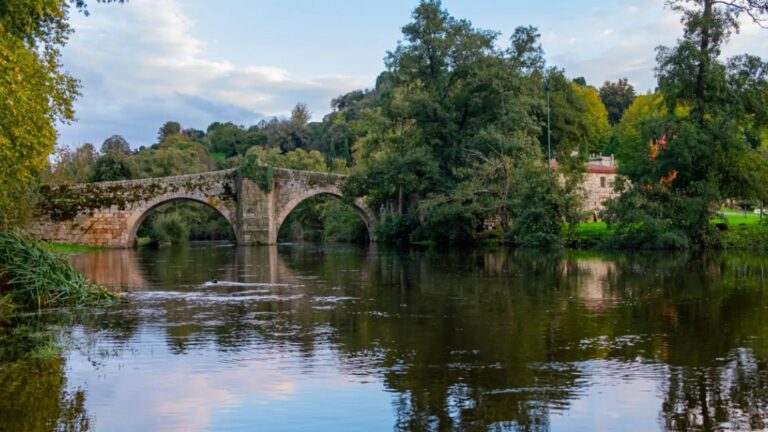
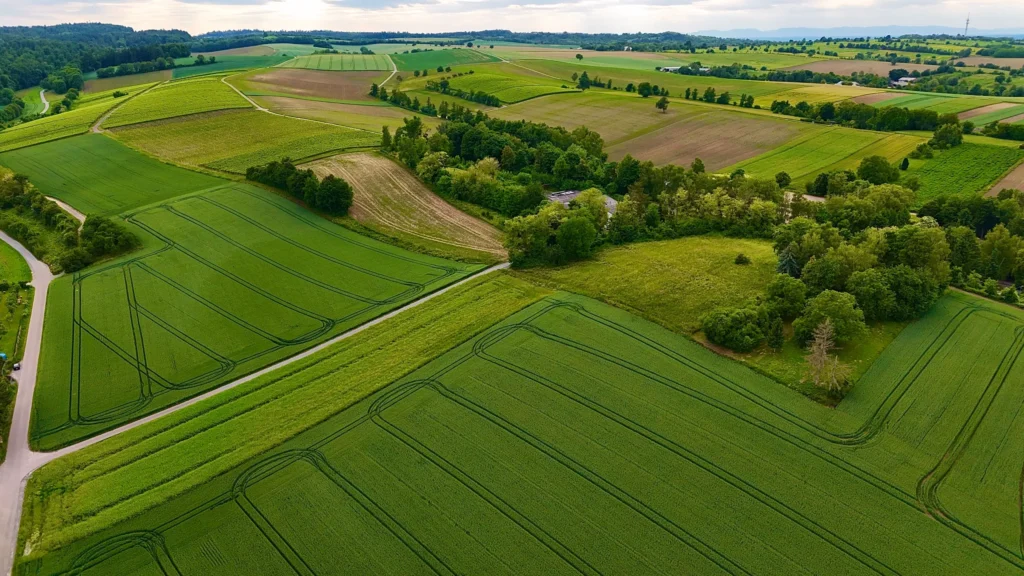
A stone house overlooking green fields can look like the perfect escape from city life. If you are considering a purchase, start with our guide to buying property in Galicia. But in rural Galicia, the countryside is not simply scenery. It is a place where people work, raise animals, grow crops and move agricultural machinery every day. If you are thinking of buying a home next to farmland, it helps to know what ordinary agricultural life actually involves.
The countryside is a working landscape
Much of rural Galicia is made up of small villages, fields, woodland and farms. Agricultural activity varies widely by area: dairy and cattle farming are prominent in some places, while other districts have vineyards, vegetable plots, forestry or mixed smallholdings. A quiet-looking field may be used intensively at particular times of year. Before buying, visit the property on different days and, if possible, in different seasons.
Tractors, machinery and early starts
Tractors and farm vehicles may use narrow village roads, sometimes before the working day you are accustomed to has begun. Grass cutting, baling, harvesting, deliveries and repairs can bring short periods of substantial noise. These activities are often seasonal rather than constant. A peaceful afternoon viewing tells you little about the busiest weeks of the agricultural calendar.
Manure, slurry and agricultural smells
Livestock farming produces manure and slurry, which may be stored, transported or applied to fields as part of normal agricultural work. The smell can be strong, particularly when material is being spread and the wind blows towards a house. It is usually temporary, but how often it occurs depends on nearby farms, weather and local practices. Ask what the neighbouring fields are used for; do not assume an empty field will always remain unused.
Flies, insects and other everyday realities
Living near animals, manure stores or standing water can mean more flies and other insects during warmer weather. Open windows, outdoor meals and washing lines may need a little more planning. The extent of the problem varies enormously between properties. Good screens, sensible waste management and an understanding of nearby activities can make day-to-day life easier.
Cows, dogs, bells and village sounds
Rural sounds are not limited to tractors. Depending on the location, you may hear cattle, farm dogs, chickens, church bells, strimmers and occasional local celebrations. Some people find these sounds reassuring; others discover that they had imagined a different kind of silence. What matters is whether you are comfortable with the real surroundings rather than an idealised picture of them.
Narrow roads and shared access
Agricultural vehicles need space to pass and turn. A car parked casually on a narrow lane can obstruct a tractor or a neighbour’s access. Before purchasing, check how your own entrance works, whether delivery vehicles can reach the property and whether any route crosses private land. If the legal status of an access road is unclear, have it checked by an appropriate professional rather than relying solely on verbal assurances. The same careful approach applies when buying land in Galicia.
Fields can change their use
The land beside a house may not look the same in five years. A field might be grazed, cut for hay, planted, left fallow or used differently by a new owner, subject to applicable planning and environmental rules. A view across someone else’s land is not a guarantee that it will remain unchanged. Buyers should investigate relevant planning information where future development or intensive use is a concern.
Fire, vegetation and seasonal maintenance
In some rural areas, unmanaged vegetation and woodland close to homes create additional responsibilities and risks. Galicia has rules concerning vegetation management and wildfire prevention, but the obligations depend on the property and location. Do not assume that all nearby land is maintained to the same standard. Ask the local council or a qualified adviser what requirements apply to your plot.
Can you complain about farm noise or smells?
Not every unpleasant smell or loud machine indicates unlawful activity. Farming is a normal and important part of rural life, although agricultural operations still have to comply with applicable rules. If you suspect a serious nuisance, pollution incident or unsafe practice, document what is happening and seek information from the relevant local authority. It is unwise to promise yourself that a neighbouring farm will change its routine after you move in.
How to check a property before buying
Visit early in the morning as well as in the afternoon. Return on a weekday, not only at the weekend. Look for nearby livestock buildings, manure storage, farm entrances and regularly used tracks. Ask the seller direct questions about smells, seasonal machinery and neighbouring land use. Talk respectfully with neighbours, and check maps and planning records where appropriate. A local technical survey can help assess the property, but it will not replace spending time in the area.
Getting along with farming neighbours
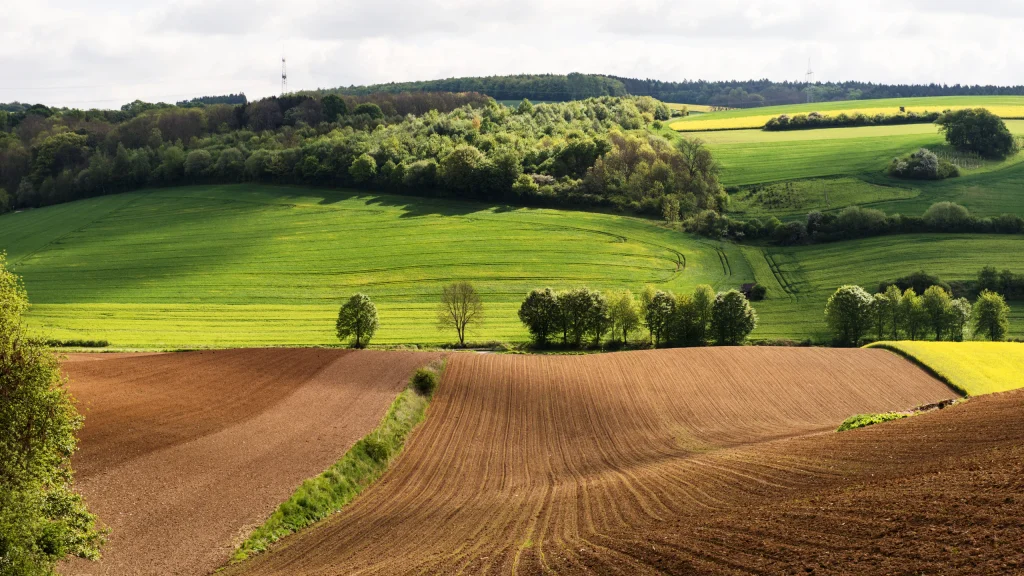
Good relationships matter in small communities. Our article on adjusting to life in Galicia explores some of the everyday differences newcomers encounter. Greeting people, respecting gates and tracks, keeping dogs under control around livestock and leaving enough room for farm vehicles are simple ways to avoid friction. You do not need to become a farmer, but understanding that the surrounding land is someone else’s workplace makes rural life easier for everyone.
Is living next to farmland right for you?
For many people, the advantages are considerable: open views, changing seasons, wildlife, local food and a strong connection with the landscape. The trade-off is accepting that countryside life is active, sometimes noisy and occasionally smelly. If you expect absolute silence and a permanently untouched view, a house surrounded by working fields may not be the right choice.
Final thoughts
The most useful question is not whether rural Galicia is peaceful. Often it is. The better question is what happens around a particular house throughout the year. Visit more than once, ask practical questions and treat nearby farmland as a working environment. Doing so gives you a much better chance of finding a home whose everyday reality matches your expectations.