Moving to Galicia means discovering new landscapes, but settling into daily life also means finding people to spend time with. Sports clubs, walking groups and local associations offer a practical way to stay active, practise Spanish or Galician and build a social circle. You do not have to be a serious athlete to get involved.
Hiking and mountain clubs
Galicia has a strong tradition of senderismo (hiking) and montañismo (mountaineering). Local clubs arrange walks and more demanding outings. Examples include Club Montañeiros Celtas in Vigo and AROMON in Pontevedra. The Federación Galega de Montañismo is a good starting point for finding affiliated clubs. Ask about route difficulty, guest participation and insurance before signing up.
For more detail, see our guide to hiking clubs in Galicia.
Golf: a sport and a social activity
Golf is another option for both newcomers and established residents. Clubs may offer beginner lessons, practice facilities, social rounds and competitions. Compare visitor access, annual fees and the journey from home rather than choosing solely on the size of the course. The Federación Gallega de Golf publishes information about clubs and federated golf. Read our separate guide to playing golf in Galicia.
Padel and tennis
Padel is particularly useful for meeting people because it is usually played in doubles. Many facilities offer group lessons, social matches or level-based competitions. Examples listed by the Federación Gallega de Pádel’s club directory include AC Pádel in Lugo, Ames Padel Center near Santiago and clubs around Vigo and Pontevedra. Ask whether a club can place you in a group of similar ability.
Kayaking, canoeing and rowing
Galicia’s rías, rivers and reservoirs support water sports ranging from recreational paddling to organised training. The Federación Galega de Piragüismo publishes an extensive club directory across the four provinces, including contact details. A beginner should ask about supervised lessons, equipment, swimming requirements, water conditions and insurance. Do not assume a coastal session is suitable without experience.
Sailing and other coastal activities
Along the Atlantic coast, sailing clubs and nautical schools provide another route into local community life. The Federación Gallega de Vela is a useful source for clubs and organised sailing. Some clubs focus on training and competition; others also provide recreational activities. Availability varies by location and season.
Cycling and running groups
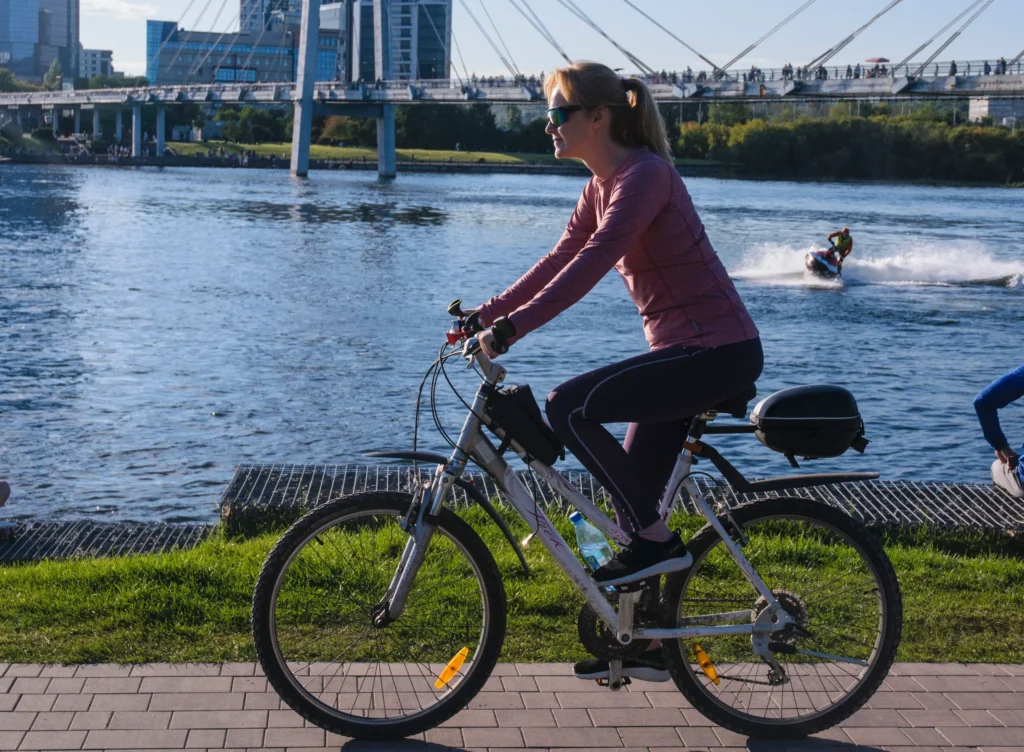
Road cycling, mountain biking, running and trail running all have local communities. Search for club ciclista, grupo de running or carreiras por montaña plus the name of your town. Check whether rides are casual or fast-paced, whether a club expects a particular fitness level and whether its activities are open to guests.
Horse riding, swimming and fitness
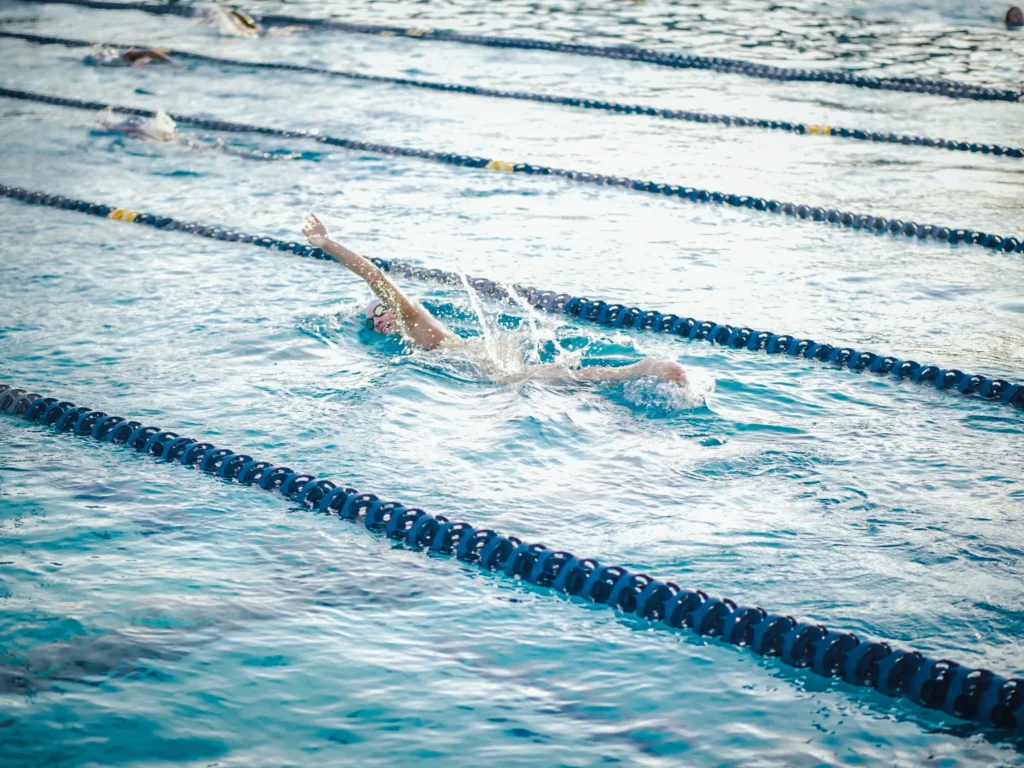
Riding schools, municipal swimming pools and local sports centres can be good starting points if you prefer structured lessons. Municipal concello websites often list classes and seasonal registration periods. In smaller towns, a local sports centre may be more practical than travelling to a large private club.
Beyond sport: social clubs and community activities
Not every social activity requires running shoes. Look for asociacións culturais, neighbourhood associations, local choirs, photography groups, dance classes and community workshops. Town halls and cultural centres often advertise activities locally. For people learning the language, repeated small-group activities can be a more natural way to make friends than occasional large events.
How to find a club near you
- Start with the Galicia Activa directory of activities and facilities.
- Use the Xunta’s official register of sports organisations to search by municipality and sport.
- Check the relevant federation’s club directory for contact information.
- Look at your town hall’s sports and culture pages and local noticeboards.
- Contact the organiser to ask about trial sessions, language, fees, insurance and accessibility.
What does joining cost?
There is no single price. Some walking groups charge a small fee per outing; sports centres may offer monthly subscriptions; clubs can require an annual membership, entrance fee or federation licence. Transport, equipment, lessons and insurance may cost extra. Always request current conditions directly from the organiser before paying.
Will language be a barrier?
Activities are commonly organised in Spanish or Galician. You do not necessarily need to be fluent, but understanding safety instructions is important, particularly for mountain and water sports. A short introductory message can help: Hola, soy nuevo/a en la zona y me gustaría participar. ¿Aceptáis principiantes? ¿Puedo probar una actividad antes de hacerme socio/a?
Making new friends takes consistency
Joining a club does not guarantee instant friendships. Turning up regularly, choosing a group that suits your pace and participating in the informal social side can make a difference. Start close to home: a welcoming weekly activity is often more valuable than an impressive club too far away to visit regularly.
Useful resources
- Galicia Activa – activities and facilities
- Xunta de Galicia – sports organisation register
- Federación Galega de Montañismo
- Federación Gallega de Golf
- Federación Gallega de Pádel – clubs
- Federación Galega de Piragüismo – clubs
- Federación Gallega de Vela
Club schedules, membership requirements and contact information may change. Check with organisers directly before visiting.