

Vegetable garden in Galicia and the Church of San Pedro de Bembibre
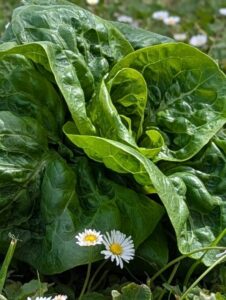
What we soon discovered here is that the climate in Galicia is a godsend for a vegetable garden. Plenty of rain, good soil, plenty of sun. Broccoli, tomatoes, peppers, lettuce — you plant them and they thrive. You certainly didn’t have that in the Netherlands.
Yvonne’s green fingers are in good hands. For years, she volunteered at the food garden in the Netherlands, where vegetables were grown for the food bank. She brings that experience with her into the garden every day — because the vegetable garden is her domain. She plants, tends and harvests everything herself.
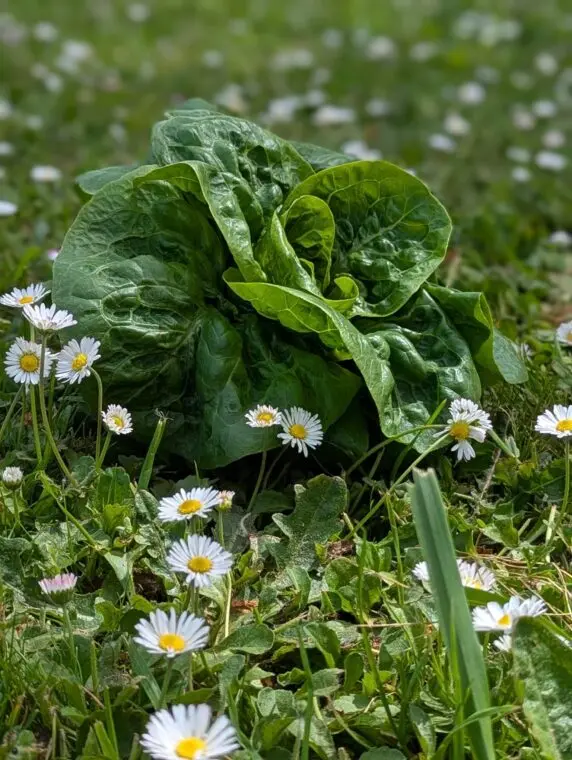
We don’t spray anything, no artificial fertilisers. Just soil, water and sunshine. And the veg tastes just as it should.
The only ‘problem’ is the abundance. Sometimes we simply have too much, and that’s when our friends and family get the short end of the stick. They’re not complaining, though.
A week back in the Netherlands — and you can tell the difference
Last week we were in the Netherlands. Family, friends, the familiar city — and we went all out. Babi pangang, kapsalon, kibbeling, frikandel speciaal, satay croquette with patat oorlog. No regrets, not for a moment. And of course, like true northerners, an Eierbal 🙂
But after a few days, our bodies noticed the difference. Less fit and a bit of a ‘Bleh’ feeling. On the way back, we both knew: we want to get back to the garden.
Life in Galicia: the garden is getting bigger
Back home, we’ve decided to expand. More beds, more variety. Yvonne has already drawn up a sketch — new rows, a better layout. Rob from naargalicie.nl gave us some planters where the tomatoes have now found a lovely spot.
Tonight the BBQ is on, home-grown veg on the plate, a glass of Albariño to go with it. That’s all we need
A spontaneous stop at the Igrexa de San Pedro de Bembibre
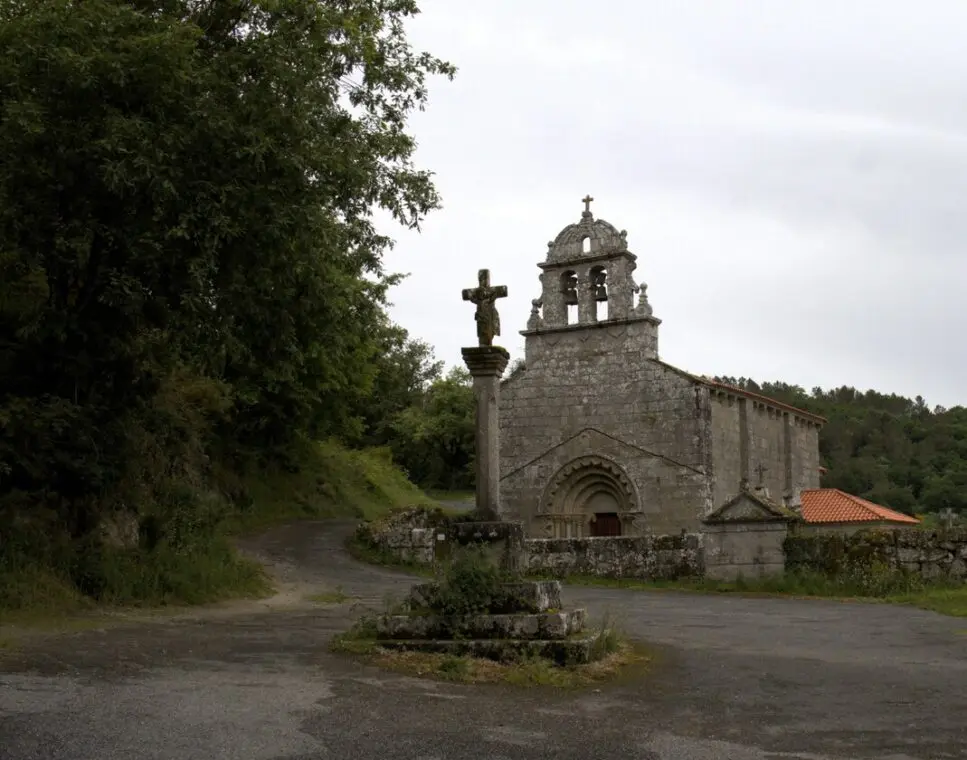
No plan, just driving. We heard about this church in Taboada and decided to pop in for some photos and a drone shot. The Igrexa de San Pedro de Bembibre turned out to be one of the most beautiful Romanesque churches in the area — built around 1191, a date still inscribed on the southern portal. The exterior is the most spectacular part. The main entrance has a triple archivolt supported by six pairs of columns, with richly carved capitals. The large serrated frame surrounding it is a real eye-catcher. The rest of the façade is smooth granite — austere and strong. We didn’t go inside, so we stuck to the exterior, and that was more than enough.
The light was good. There’s plenty to photograph for anyone who takes the time. Peaceful, few people, exactly as you’d want it.
Spontaneous action: grabbed the drone from the cupboard but hadn’t charged the batteries. After a short bit of footage, it landed back automatically. Next time: charging the batteries is top of the list.
It’s a shame, but it’s funny. The church deserves a proper drone shot, because from the air, the whole scene—with the cemetery and the surrounding fields—must be stunning. Next time, then.
0 Reacties
Newest