
When most people think of Galicia, they imagine the Camino de Santiago, dramatic Atlantic cliffs, green mountains and delicious seafood. But hidden among forests, farmland and remote hilltops lies another treasure—one that is thousands of years older than Roman roads or medieval churches.
Galicia is home to one of the largest concentrations of prehistoric monuments in the Iberian Peninsula. Ancient dolmens, burial mounds, rock carvings and hill forts tell the story of the people who lived here more than 5,000 years ago.
For anyone interested in archaeology, history or mythology, exploring Galicia’s megalithic landscape is like stepping into another world.
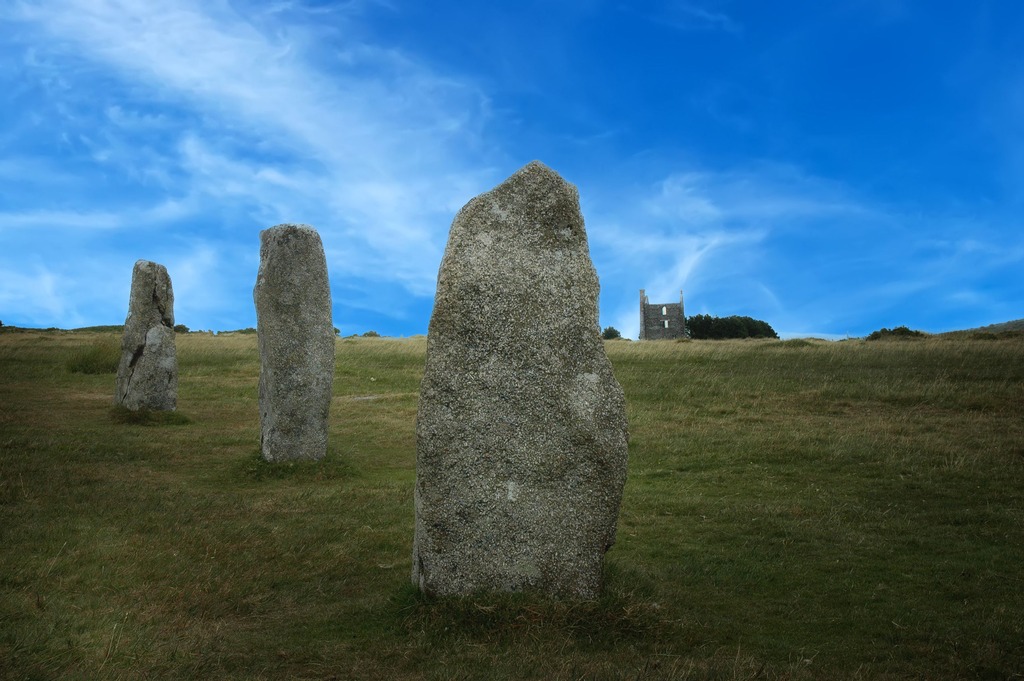
What Are Megaliths?
The word megalith simply means “large stone.” These monuments were built during the Neolithic and Bronze Age, long before written history.
Without modern tools or machinery, prehistoric communities moved enormous stones to construct monuments that have survived for thousands of years.
Archaeologists believe these structures served different purposes:
- Burial sites
- Religious or ceremonial places
- Territorial markers
- Astronomical observation points
- Gathering places for local communities
Many of these monuments remain remarkably well preserved.
The Dolmens of Galicia
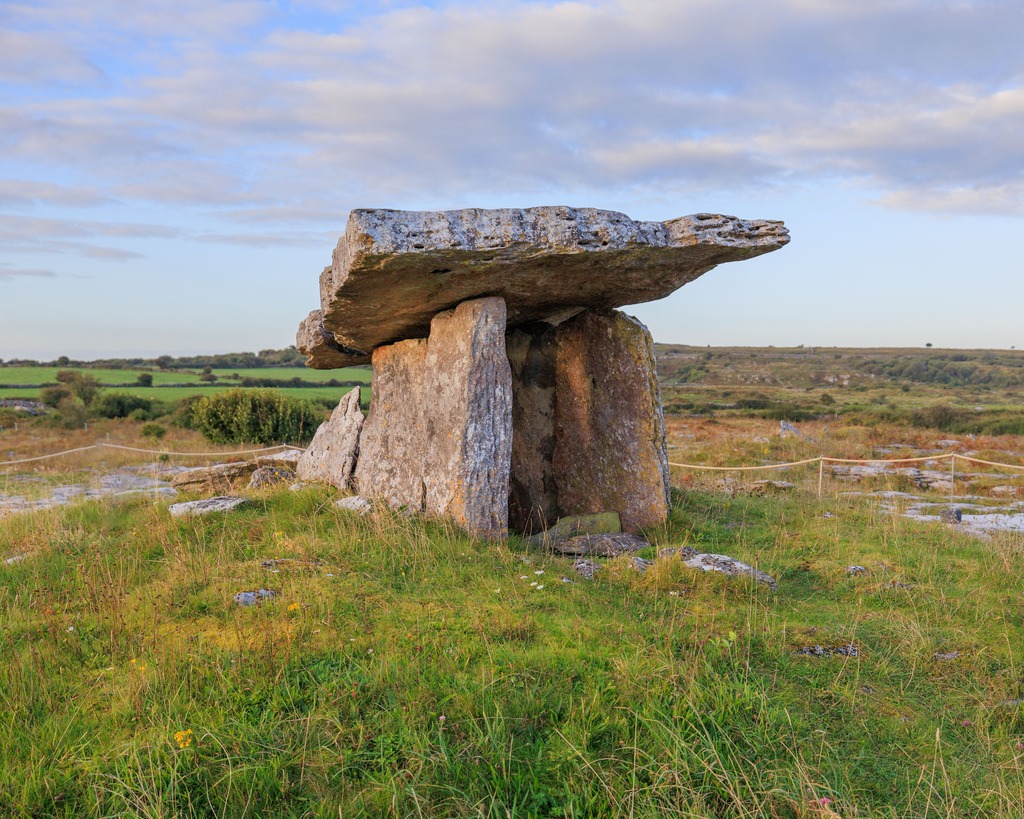
Dolmens are perhaps the best-known prehistoric monuments in Galicia.
A dolmen consists of several upright stones supporting a massive horizontal stone, creating a burial chamber. Originally, most were covered by earth to form a mound, although many have become exposed over the centuries.
These tombs often contained human remains, pottery, stone tools and personal objects, suggesting that they were reserved for important members of prehistoric society.
Among the most impressive examples are:
Dolmen de Dombate (A Coruña)
Often called the “Cathedral of Galician Megalithism,” this beautifully preserved monument dates back more than 5,000 years. Inside, archaeologists discovered rare painted decorations that provide valuable insight into prehistoric art.
Dolmen de Axeitos (Ribeira)
Known as the “Stone Cathedral,” Axeitos is one of Galicia’s most photogenic dolmens. Surrounded by countryside, it offers visitors a peaceful glimpse into the distant past.
Mámoas: Galicia’s Ancient Burial Mounds
While driving through rural Galicia, you may notice gentle grassy hills that seem completely natural.
Many are actually mámoas—prehistoric burial mounds built over dolmens or graves.
Thousands of these mounds are scattered across Galicia. Some have been excavated, while many remain untouched beneath fields and forests.
Local legends often claim that these hills hide gold, enchanted beings or secret underground passages.
The Mystery of Galician Petroglyphs
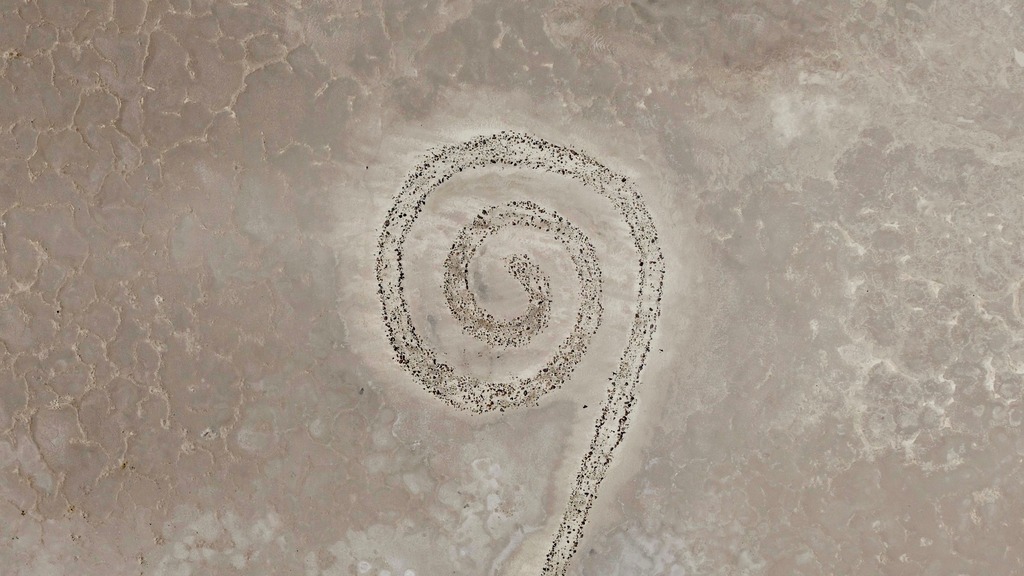
Another remarkable feature of Galicia’s prehistoric heritage is its collection of petroglyphs.
These rock carvings include:
- Spirals
- Concentric circles
- Deer
- Horses
- Weapons
- Footprints
- Labyrinth-like designs
Their exact meaning remains unknown.
Some researchers believe they had religious significance, while others think they marked hunting grounds, territories or seasonal routes.
One of the finest places to see these carvings is the Archaeological Park of Campo Lameiro, often described as one of Europe’s most important collections of prehistoric rock art.
Castros Are Not Megaliths
Many visitors confuse Galicia’s famous castros with megalithic monuments.
Although both are ancient, they belong to different periods.
Megaliths were built thousands of years earlier during the Neolithic.
Castros appeared much later, during the Iron Age, and served as fortified villages where Celtic communities lived before the Roman conquest.
Visiting both offers a fascinating journey through different chapters of Galicia’s ancient history.
Legends Surrounding the Stones
As Christianity spread across Galicia, many prehistoric monuments became woven into local folklore.
According to popular tradition, mysterious beings known as Mouras guard hidden treasures beneath ancient stones. These beautiful supernatural women are often said to appear at sunrise, combing their long golden hair beside springs or dolmens.
Another legend speaks of the Mouros, an ancient race believed to have built underground cities and hidden vast riches beneath prehistoric monuments.
These stories helped preserve the mystery of the sites long before archaeologists began studying them.
Where to Visit Galicia’s Ancient Monuments
Some of the best places to explore include:
- Dolmen de Dombate (A Coruña)
- Dolmen de Axeitos (Ribeira)
- Archaeological Park of Campo Lameiro (Pontevedra)
- Castro de Santa Trega (A Guarda)
- The prehistoric landscapes of the Costa da Morte
- The Serra do Barbanza, where numerous burial mounds can still be found
Many of these sites are free to visit and can easily be combined with hiking routes or scenic drives.
Tips for Visiting
To help preserve these ancient monuments:
- Never climb on the stones.
- Stay on marked paths.
- Avoid removing stones or vegetation.
- Visit early or late in the day for the best light and fewer visitors.
- Bring comfortable walking shoes, as many sites are located in rural areas.
Why Galicia’s Megaliths Deserve More Attention
Unlike famous prehistoric sites such as Stonehenge, Galicia’s megalithic monuments remain surprisingly undiscovered by international tourism.
That is precisely what makes them so special.
Here, you can stand beside a 5,000-year-old dolmen without crowds, enjoy peaceful landscapes and experience a unique connection with Europe’s distant past.
Whether you are passionate about archaeology, fascinated by mythology or simply looking for hidden places off the beaten path, Galicia’s ancient stone monuments offer an unforgettable journey through time.
Frequently Asked Questions
How old are Galicia’s dolmens?
Most date from between 3,000 and 5,000 BC, making them more than 5,000 years old.
Can you visit the monuments for free?
Yes. Many dolmens, burial mounds and petroglyph sites are freely accessible, although some archaeological parks have a small entrance fee.
Are Galicia’s megaliths connected to the Celts?
No. The megaliths were built thousands of years before Celtic culture reached Galicia. However, later Celtic and local traditions created many of the legends associated with these ancient sites.
What is the best time to visit?
Spring and autumn offer pleasant temperatures, lush landscapes and excellent conditions for exploring Galicia’s prehistoric sites.