
Three Natural Parks We Still Want to Visit
We have been living in Ribeira Sacra since January, and one thing we keep noticing on the map is how much protected nature surrounds us that we still have not gotten around to seeing properly. Ourense province has three natural parks, and all three are within a couple of hours of where we live, yet none of them are ticked off our list yet. We wanted to write about them anyway, not as a guide from experience but as a kind of public to-do list, because the reasons they appeal to us say something about what draws people to this part of Spain in the first place.
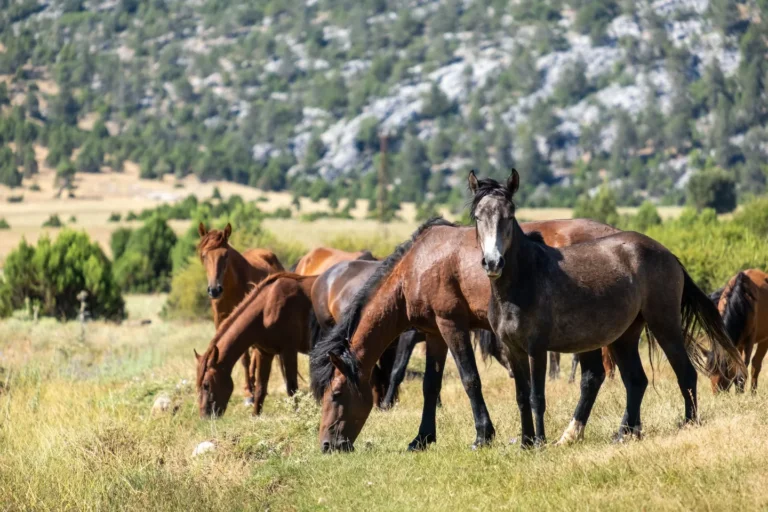
The first is Baixa Limia-Serra do Xurés, down in the southwest of the province where it borders Portugal. It is the largest natural park in Ourense, close to thirty thousand hectares of granite mountains that continue across the border into Portugal’s Peneda-Gerês park, and together the two form a cross-border biosphere reserve. What pulls us toward this one is the wild horses, a native breed called garrano that was reintroduced there, and the idea of walking a stretch of the old Roman road that once connected Braga and Astorga. There is also a spa village, Lobios, with thermal waters that come out of the ground at temperatures well over seventy degrees, which sounds like a strange but appealing combination with mountain hiking. We have heard from neighbours that the drive alone, through Celanova toward the border, is worth doing regardless of what you do once you arrive.
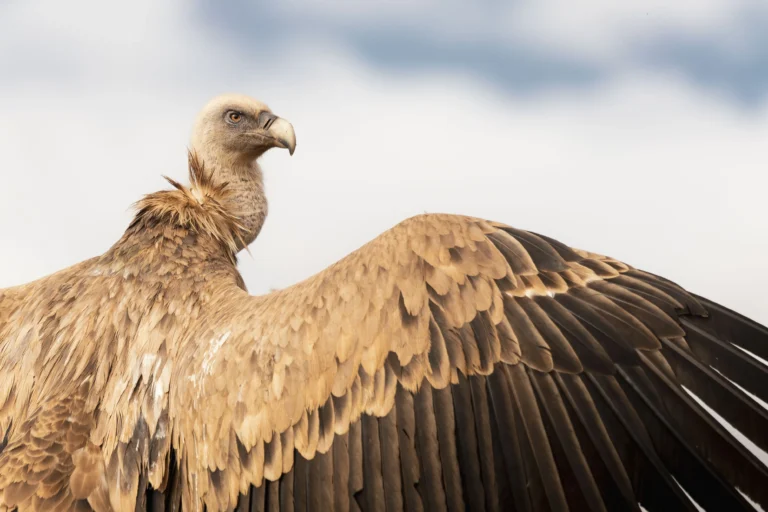
The second is O Invernadeiro, and this is the one that intrigues us most precisely because it is harder to just show up to. It sits in the Central Massif, further east and a bit more remote, and it is the only natural park in Galicia where you actually need written permission in advance to enter, capped at around thirty visitors a day. There are no villages inside its borders at all, which is unusual for Galicia where you tend to find a hamlet tucked into almost every valley. People who have been describe a kind of silence you do not get elsewhere, and the chance to see roe deer, wild goats, and chamois from viewing points along the marked routes. The permit requirement puts some people off, but for us that is part of the appeal. It feels like the kind of place that stays quiet because it makes you work a little to get there.
The third, Serra da Enciña da Lastra, is geologically the odd one out. Most of Galicia is granite, but this small range near the border with León is limestone, and that difference shapes everything about it, from the Mediterranean-style vegetation of holm oak, olive, and wild thyme, to the network of caves the locals call palas. Some of those caves run for hundreds of metres underground and hold some of the largest bat colonies in Spain. We are not cavers ourselves, so we would stick to the marked surface routes and the viewpoints over the Sil gorge, but we like that this one exists as a genuine curiosity so close to home, a pocket of Mediterranean Spain sitting inside otherwise Atlantic Galicia.
None of these are far from Ribeira Sacra, which is part of why they have stayed on our list for so long without being crossed off. It is easy to keep saying we will get to something when it is not going anywhere, and easier still with a park like O Invernadeiro that requires actually applying ahead of time rather than just deciding to go on a Saturday morning. We plan to change that this year, starting with Xurés since it is the most accessible of the three, and we will write properly about each one once we have actually walked its paths ourselves.