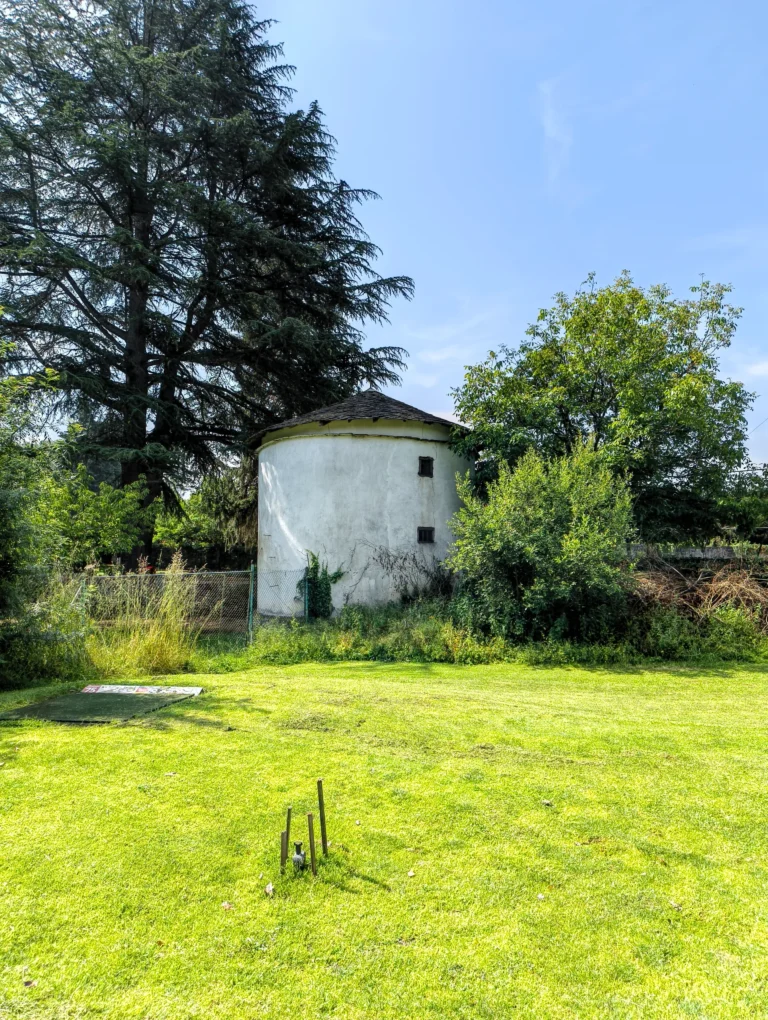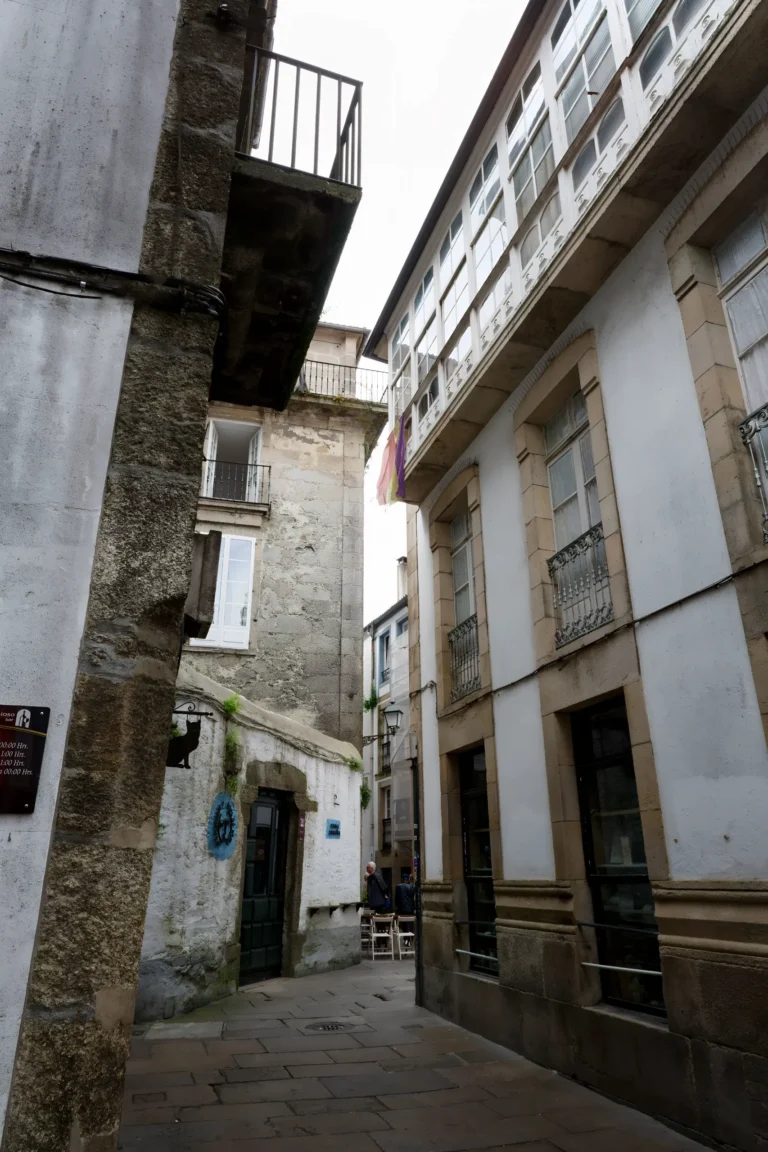
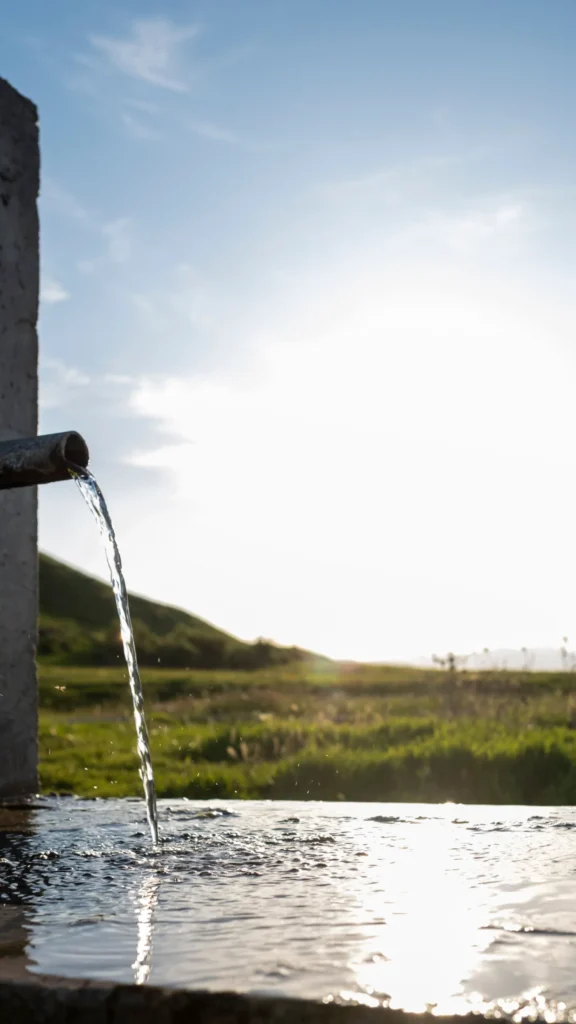
In rural Galicia, not every house is connected to a municipal drinking-water network. Some homes rely on a private well (pozo), a natural spring (manantial or fonte), or a supply shared with neighbours. These systems can work well, but buyers need to understand the water source, its quality, the equipment and the legal arrangements before committing to a purchase.
Where does the water come from?
A private well draws groundwater, often using an electric pump. A natural spring brings groundwater to the surface and may feed a collection chamber or storage tank. Some rural properties use a shared system with pipes crossing neighbouring land. Ask the seller to show you the source, tanks, pumps and route of the pipes, not merely turn on a tap.
Does owning the land mean you can use the water?
Not automatically. Water use in Spain is regulated, and the applicable procedures depend on the location, type of abstraction and intended use. Article 54 of the Spanish Water Law provides for certain uses of water on the property, subject to conditions and limits; it should not be read as blanket permission to drill, abstract or supply other properties. Depending on the river basin, the competent authority may be Augas de Galicia or a river-basin confederation such as the Confederación Hidrográfica del Miño-Sil. Before buying, ask for any registration, authorisation and supporting documentation, and check it with the competent authority or a qualified adviser.
Is well or spring water safe to drink?
Clear, pleasant-tasting water is not proof of safety. Private sources can be affected by microorganisms, nitrates, nearby septic systems, agricultural activity or naturally occurring substances. Have the water analysed by a qualified laboratory for its intended use. Ask which microbiological and chemical tests are appropriate; one satisfactory result is not a permanent guarantee. If you suspect contamination, use a safe alternative supply until the cause is assessed and appropriate testing confirms safety.
What changes after heavy rain or during summer?
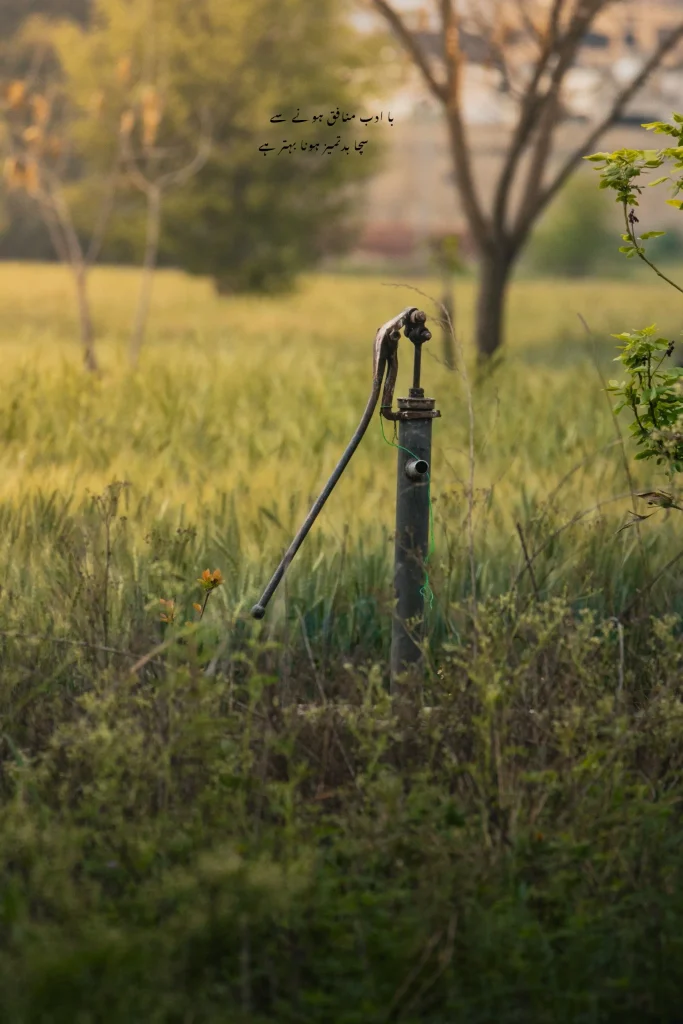
Heavy rainfall can carry contaminated surface water into poorly protected springs or shallow wells. During long dry spells, some springs lose flow or stop temporarily. Water scarcity in Galicia is worth understanding when assessing a rural property’s supply. Ask whether the supply has ever failed in August or September, whether it becomes cloudy after storms, and whether previous laboratory results are available. Long-term neighbours may know the seasonal pattern better than a seller who has used the house only occasionally.
Pumps, tanks and maintenance
When buying property in Galicia, it is worth checking the entire water installation. A private supply may depend on an electric pump, pressure vessel, filters, storage tank and possibly water-treatment equipment. These components need inspection and maintenance. Find out how old they are, whether the system works during power cuts, where shut-off valves are located and who can repair it locally. Treatment equipment must be selected and maintained according to the actual water test results; a generic filter is not a substitute for proper assessment.
Shared springs and pipes
If the spring is on someone else’s land, or pipes cross neighbouring plots, establish the rights to use the water and access the infrastructure. An arrangement that has worked informally for decades may still create difficulties after a sale or when repairs are needed. Have a property professional review deeds, registered easements, written agreements and any relevant water-use documentation.
Seven questions to ask before buying
- Where exactly is the well or spring, and who owns that land?
- What documents establish the right to abstract and use the water?
- Are there recent laboratory results for drinking-water quality?
- Has the supply ever run low or stopped in summer?
- Is the system shared, and who pays for maintenance?
- Where are the pumps, tanks and pipes, and what condition are they in?
- What happens if the electricity fails or the source becomes contaminated?
Can you install a new well?
Do not assume that a drilling company can simply begin work. New abstractions may require registration, authorisation and other checks, depending on the location and use. Consult the competent water authority and local council before commissioning drilling. A new borehole also does not guarantee sufficient water.
Final thoughts
A reliable private spring can be a valuable feature of a rural Galician home. But it deserves the same scrutiny as the roof, access road and electrical installation. Confirm where the water comes from, whether it is safe, what rights exist and who maintains the system before you buy.
Useful official starting points
- Spanish consolidated Water Law (Real Decreto Legislativo 1/2001)
- Augas de Galicia
- Confederación Hidrográfica del Miño-Sil
This article offers general information, not legal or water-safety advice. Rules and requirements depend on the property and river basin; seek qualified local advice before relying on a private supply.