Earlier this year, we wrote about the unusual interactions between orcas and boats off the Galician coast. At the time, it was already a subject that made sailors nervous, particularly those travelling between Portugal, Galicia and the Cantabrian coast.
Six months later, the problem has not gone away.
During July, several sailing boats reported damaging encounters with orcas off the coast of A Coruña and further north toward Estaca de Bares. In one of the most serious incidents, a sailing yacht sank after losing its rudder near Estaca de Bares. The two people on board were rescued safely, but the incident was a sharp reminder that this is no longer just a strange wildlife story shared between sailors.
For anyone planning to sail along the Galician coast, the subject deserves to be taken seriously.
What is happening?
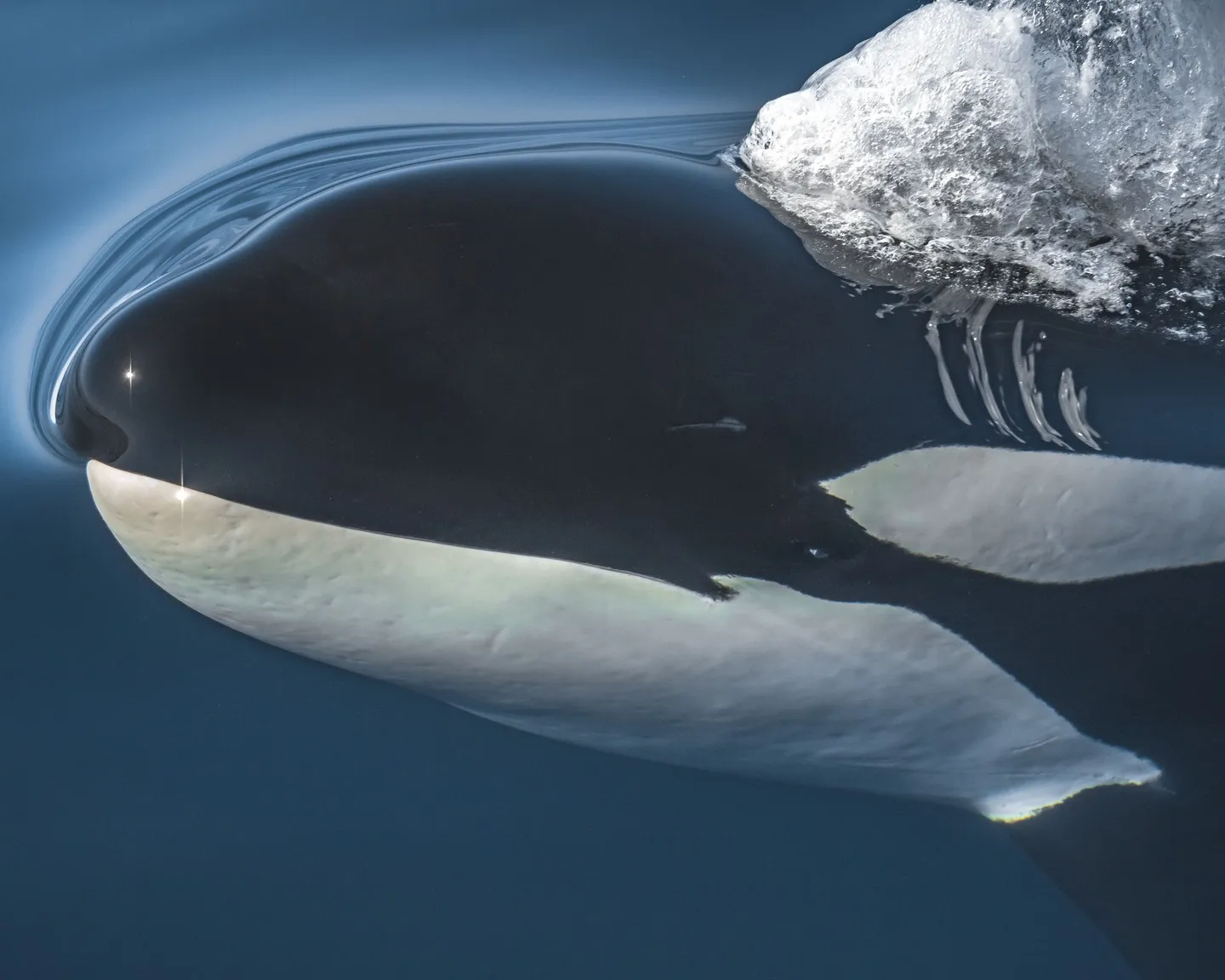
Since 2020, a small group of Iberian orcas has repeatedly interacted with sailing boats along the Atlantic coasts of Spain and Portugal. These encounters are usually focused on the rudder: the animals push, bite or strike the steering gear, sometimes until it is damaged or no longer works.
Researchers and maritime authorities generally use the word interaction rather than attack. That may sound cautious, but it matters. There is no evidence that these animals are trying to harm people, and there have been no reported human injuries in the recent Galician incidents.
That does not mean the consequences for a boat are minor. Losing steering offshore, especially in changing weather or close to a rocky coast, can quickly become a serious emergency.
The behaviour is still not fully understood. It has been described as highly unusual, and scientists are continuing to study why certain orcas interact with rudders while most do not.
The problem has moved north
The Strait of Gibraltar was once the area most strongly associated with these encounters. But in recent years, the risk has become much more relevant for Galicia and the Cantabrian coast too.
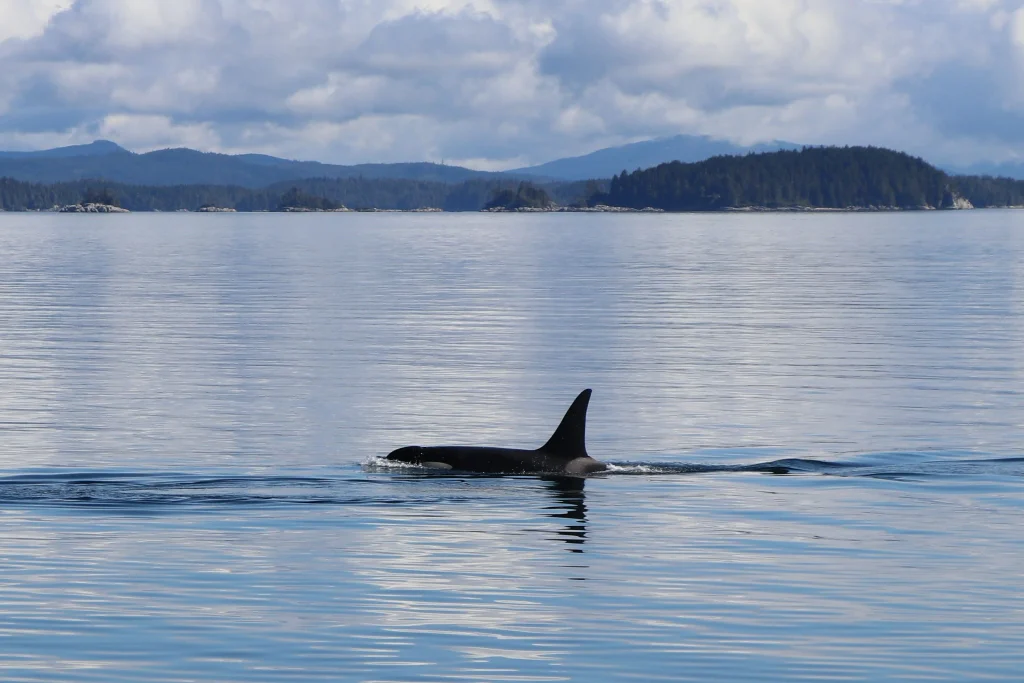
That makes sense when you look at the route of the animals. Iberian orcas move along the Atlantic coast in connection with the migration of bluefin tuna. From spring until autumn, they may be found in waters off Galicia, especially along the exposed coast between Fisterra, A Coruña, Ortegal and Estaca de Bares.
This summer, reports have come from several parts of the coast. It is not a reason for ordinary visitors to worry about swimming, kayaking near the shore or taking a normal sightseeing trip. The concern is specifically for sailing vessels, particularly those making longer coastal passages.
Why it matters beyond sailing
The orca interactions are also starting to affect coastal tourism in quieter ways.
Marinas in northern Galicia have reported that some visiting sailors are changing routes, skipping stops or choosing to transport their boats by land instead. For small ports and coastal towns, that means fewer visitors eating in local restaurants, booking a berth or staying overnight on their way north or south.
It is an awkward situation. Galicia wants to welcome sailors, and the coast is still spectacular: rugged cliffs, remote anchorages, fishing villages and some of the best Atlantic scenery in Spain. But a route that once felt adventurous in the usual sailing sense now comes with a risk that cannot be fully predicted.
What should sailors do?
Spanish authorities continue to advise extra caution between April and October, when orca presence is more likely.
The official advice is practical:
- Check the latest risk maps and local maritime notices before setting out.
- Avoid areas identified as high risk where possible.
- Plan a route as close to the coast as safety and navigation allow.
- If an interaction occurs, do not stop the boat; continue toward the coast or shallower water.
- Keep away from the sides of the boat, where sudden movement could cause someone to fall overboard.
- Do not use devices or methods that could harm or disturb the orcas.
- Report sightings and interactions to Salvamento Marítimo on VHF channel 16.
The most important point is that anyone sailing this coast should have a proper plan for loss of steering. That means knowing how to call for help, keeping communication equipment ready and understanding where the nearest safe harbour is.
Respect for the animals and realism for sailors
It is easy for this story to become sensational. Headlines about “attacks” and viral videos can make the animals seem like villains, while dismissing the risk entirely is not fair to sailors either.
Both things can be true at the same time: orcas are protected, intelligent animals, and the damage caused by these interactions can be frightening and expensive.
For most people visiting Galicia, the chance of seeing an orca remains something special. They are powerful animals and an important part of the Atlantic ecosystem. But for sailors, admiration needs to come with preparation.
The Galician coast is still open, beautiful and worth exploring. It simply asks a little more caution than it did before.