When people picture Galicia, they usually think of the coast, the rain, and green hills, not wildlife encounters. So it surprised us to learn that brown bears do, in fact, roam parts of this region, right in the province where we live.
Yes, But Not Many
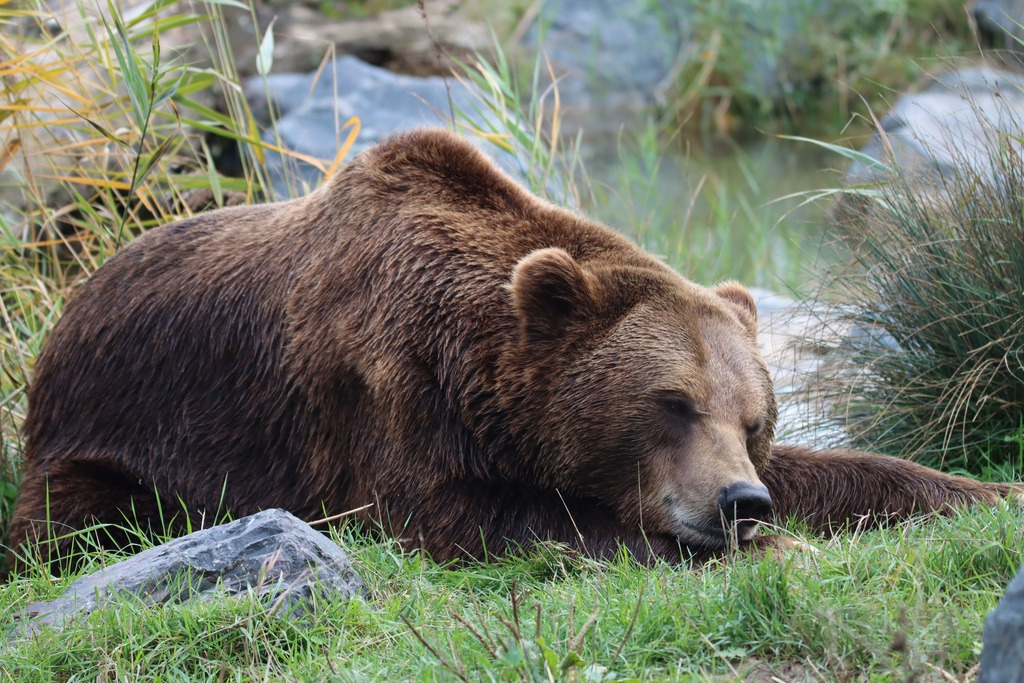
Galicia is not bear country in the way that, say, Romania or parts of Scandinavia are. The brown bear population here is small, scattered, and mostly made up of animals passing through from neighboring regions rather than a large resident population.
The bears in this part of Spain belong to the Cantabrian brown bear population, which lives across Asturias, Cantabria, Castilla y León, and, to a lesser extent, Galicia. This population nearly disappeared by the end of the 20th century, when only 10 to 20 individuals were left in the entire mountain range. Since the early 2000s, conservation efforts across all four regions have helped the population recover to several hundred animals, and their range has expanded accordingly.
Where in Galicia
The most relevant area for us is Os Ancares, a mountainous biosphere reserve in the province of Lugo. This is the part of Galicia most consistently associated with bear sightings. In one notable case, a hiking club from Lugo organized a walk for around 40 people near Corno Maldito, one of the area’s main peaks, when an adult bear suddenly appeared from the bushes near the old brañas of Vilarello. The group leader described it as something that might happen once in a lifetime, which gives a good sense of how rare these encounters actually are.
Bears have also been recorded further east and south, closer to Ourense, in areas like Serra do Xurés and O Invernadeiro. One well-documented case involved a young male, between three and five years old, filmed in O Invernadeiro after no bear had been confirmed in that area for around 150 years.
So How Likely Are You to See One?
Realistically, very unlikely. Bears in this region are shy, avoid humans, and exist in low numbers even in their core territory. The sightings that do get reported tend to make local news precisely because they are unusual. If you are hiking in Os Ancares or the more remote parts of eastern Galicia, you are far more likely to see foxes, roe deer, or wild boar than a bear.
That said, the population is not standing still. Researchers have noted that the bears’ overall range in the Cantabrian mountains has expanded to its largest extent in decades, which means Galicia’s eastern fringes may see more (rare) activity going forward, not less.
What to Do If You Encounter One
Even though the odds are low, it is worth knowing the basics if you are hiking in Os Ancares or similar terrain:
- Do not approach or try to get closer for a photo
- Back away slowly, do not run
- Speak in a calm, normal voice so the bear is aware of your presence
- Keep dogs on a leash in known bear areas
- If hiking in a group, stay together
Spanish brown bears are a protected species, and encounters resulting in harm to a bear can carry serious legal consequences, on top of being avoidable with basic caution.
A Note on Our Sources
We want to be upfront that this article is based on research rather than personal experience. We have not seen a bear in Galicia, and we are not in a position to verify sighting reports first-hand. The information here draws on reporting from Spanish wildlife organizations, including the Fundación Oso Pardo, and news coverage of specific sightings in Os Ancares and Ourense province. If you are looking for detailed, scientific population data, their work is a better starting point than this article.
What we can say with confidence is this: bears exist in Galicia, they are concentrated in a few remote mountain areas including Os Ancares in our own province of Lugo, and for most people, hiking here means beautiful, empty trails rather than any real chance of a wildlife encounter.