Yes, you can see dolphins in Galicia. The Atlantic coast is home to several dolphin species, and the sheltered rías—the long sea inlets that shape much of the coastline—are particularly important for bottlenose dolphins. You do not always need to travel far offshore to see them, although a sighting is never guaranteed.
Here is where dolphins are found in Galicia, which species you might encounter and how to watch them responsibly.
What kinds of dolphins live in Galicia?
Two species are especially relevant to visitors:
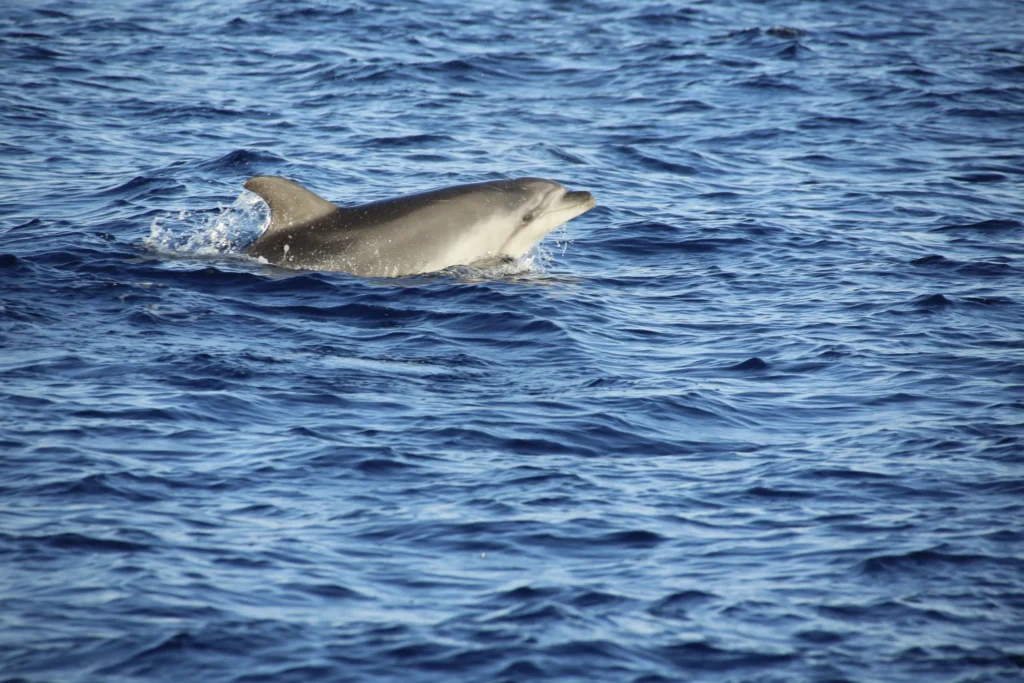
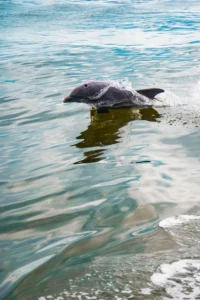
Common bottlenose dolphin (Tursiops truncatus). Known locally as arroaz, this is the species most closely associated with Galicia’s rías. Bottlenose dolphins are relatively robust, with a short beak, and may be seen travelling or feeding in small or larger groups.
Short-beaked common dolphin (Delphinus delphis). Known as golfiño común, this species is frequently recorded in Galician Atlantic waters, especially farther offshore. Common dolphins have a distinctive yellowish and grey hourglass pattern along their sides, although those markings can be difficult to see from a distance.
Other cetaceans recorded off Galicia include Risso’s dolphins, striped dolphins, harbour porpoises and several whale species. Not all of these are equally likely to be seen on a casual coastal visit.
Where are the best places to see dolphins in Galicia?
Research identifies the larger Galician rías as important areas for bottlenose dolphins. In particular, the Ría de Vigo, Ría de Pontevedra, Ría de Arousa, Ría de Muros e Noia and Ría de Ares e Betanzos support groups of resident dolphins.
These are areas of established dolphin presence, not guaranteed sighting points. Dolphins move in search of food and can appear in different parts of a ria on different days.
Ría de Vigo: a productive coastal inlet with a well-studied bottlenose dolphin population. Researchers working on the TurGaSur project documented regular dolphin sightings here.
Ría de Arousa: one of Galicia’s largest rías and an important feeding area. Dolphins may be seen from boats, and sometimes from shore when they approach suitable coastal viewpoints.
Ría de Pontevedra and Ría de Muros e Noia: both are part of the network of inlets used by coastal bottlenose dolphins.
Ría de Ares e Betanzos: another recognised area for bottlenose dolphin groups in northern Galicia.
From land, choose a safe public viewpoint with a broad view of the water. Binoculars are useful, and a calm sea makes fins and movement easier to spot. There is no single beach or harbour where dolphins appear on a reliable schedule.
 What is the best time of year to see dolphins?
Bottlenose dolphins live in the Galician rías throughout the year. Research has not found a major seasonal disappearance of this resident coastal population, so it would be misleading to describe dolphins as a summer-only attraction.
Summer can be convenient for visitors because of longer daylight hours and opportunities to spend time on the water. It is also a period when newborn calves have been recorded in the rías. However, actual visibility depends on sea conditions, weather, location and the animals’ movements.
For watching from shore, a calm day with good visibility is generally more useful than choosing a particular month.
Can you see dolphins from the beach or shore?
Yes, sometimes. Bottlenose dolphins use coastal waters, so sightings from beaches, promenades, harbours and headlands are possible. But even where dolphins are regularly present, they may be too far away to notice.
Look for repeated appearances of a curved dorsal fin, groups surfacing together or birds feeding above fish near the surface. Use binoculars if you have them, and avoid assuming that every splash is a dolphin.
Are dolphin-watching boat trips available?
Some marine excursions in Galicia may encounter dolphins, but a general sightseeing or boat tour should not be presented as a guaranteed dolphin-watching trip. If seeing dolphins is your main reason for booking, ask the operator whether it specifically offers wildlife observation, how sightings are handled and whether it has the required authorisation.
In Spain, recreational cetacean-watching activities are regulated. The Ministry for the Ecological Transition publishes rules for responsible navigation and information about authorised operators. Choose companies that follow these requirements and do not chase animals or promise close contact.
Why are Galicia’s rías so important to dolphins?
The rías provide productive feeding grounds and important habitat for a resident population of bottlenose dolphins. Researchers have documented calves and nursing females, confirming that these inlets are also used for reproduction and raising young.
A marine mammal habitat assessment identifies the Rías of Galicia as an Important Marine Mammal Area for bottlenose dolphins. This reflects their ecological importance, not a promise that every visitor will see dolphins.
Research also uses photographs of individual dorsal fins to recognise dolphins over time. The TurGaSur project identified 150 bottlenose dolphins with a high degree of residency in the Rías Baixas and documented 31 resident breeding females.
How to watch dolphins responsibly
Dolphins are wild animals. Do not swim towards them, touch them, feed them or encourage them to approach people. Boats should never cut across a group’s path, separate adults from calves or circle around dolphins.
Spain’s rules for cetacean protection include restrictions on how vessels approach and move near dolphins. If dolphins approach your boat, follow the official navigation guidance rather than trying to create a closer encounter.
Even a dolphin that appears friendly may be stressed or put at risk by repeated human contact. Galicia has had well-known solitary dolphins that approached boats and swimmers; conservation specialists advise people not to interact with them.
Are dolphin sightings guaranteed in Galicia?
No. Dolphins are present year-round in several rías, but they move freely and do not follow tourist schedules. A boat trip can be enjoyable without a sighting, and an unexpected glimpse from the coast may be just as memorable.
If you enjoy wildlife, you can also explore our Wildlife in Galicia guide or read about wolves in Galicia, vultures and brown bears.