One of the things that struck us most when we first started exploring the gorges of the Ribeira Sacra was how often we found ourselves looking up rather than around. The canyons cut by the Sil and the Miño are not just a landscape of vineyards and monasteries clinging to impossible slopes, they are also one of the best places in Galicia to watch large birds of prey circling on the thermals that rise off the rock walls. Anyone spending a few days here with binoculars, or even without them, has a good chance of spotting several species, some of them among the largest flying birds in Europe.
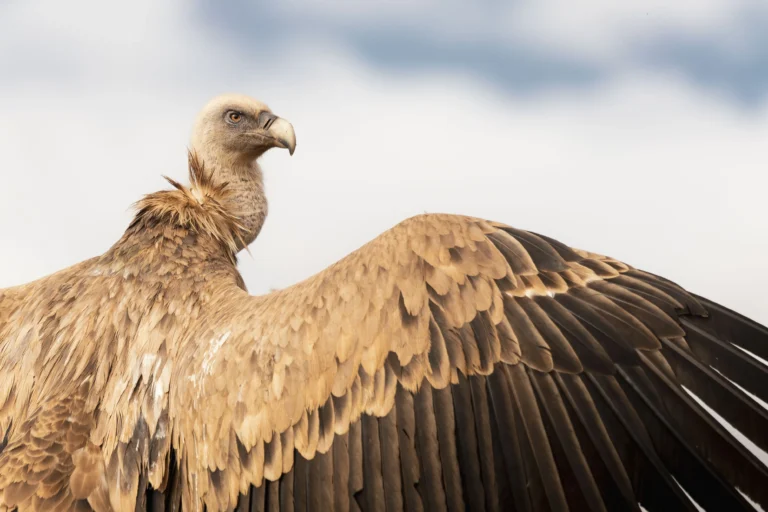
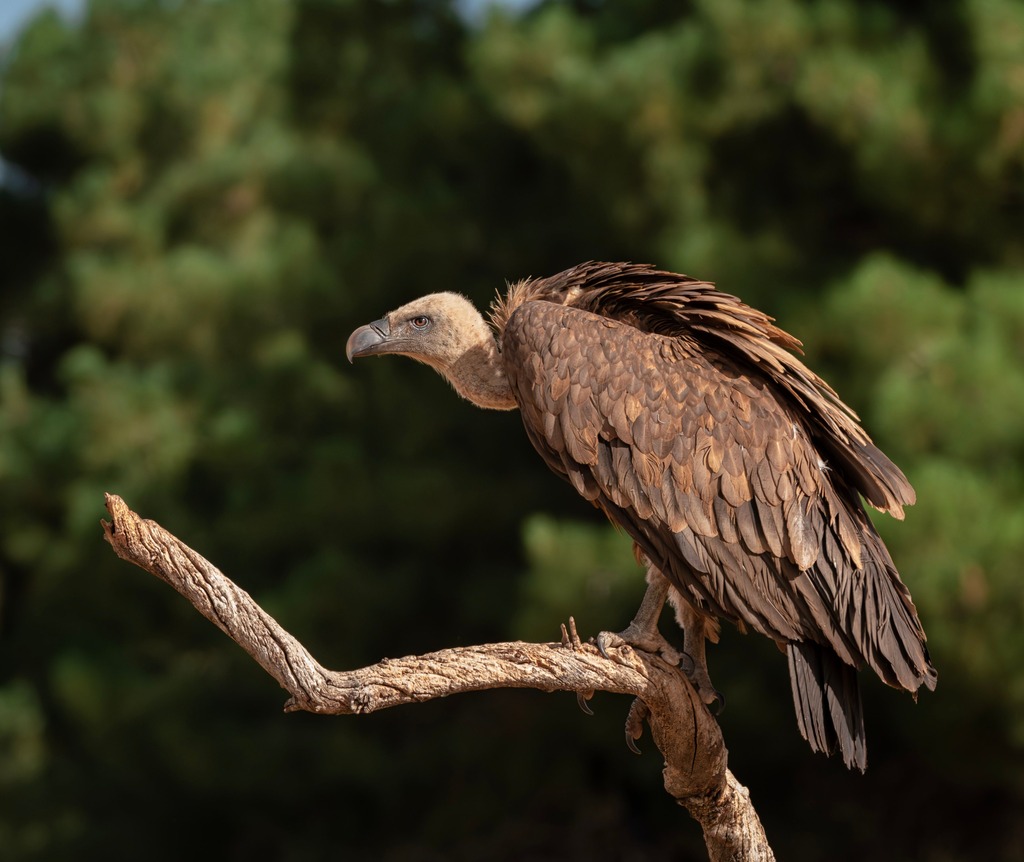
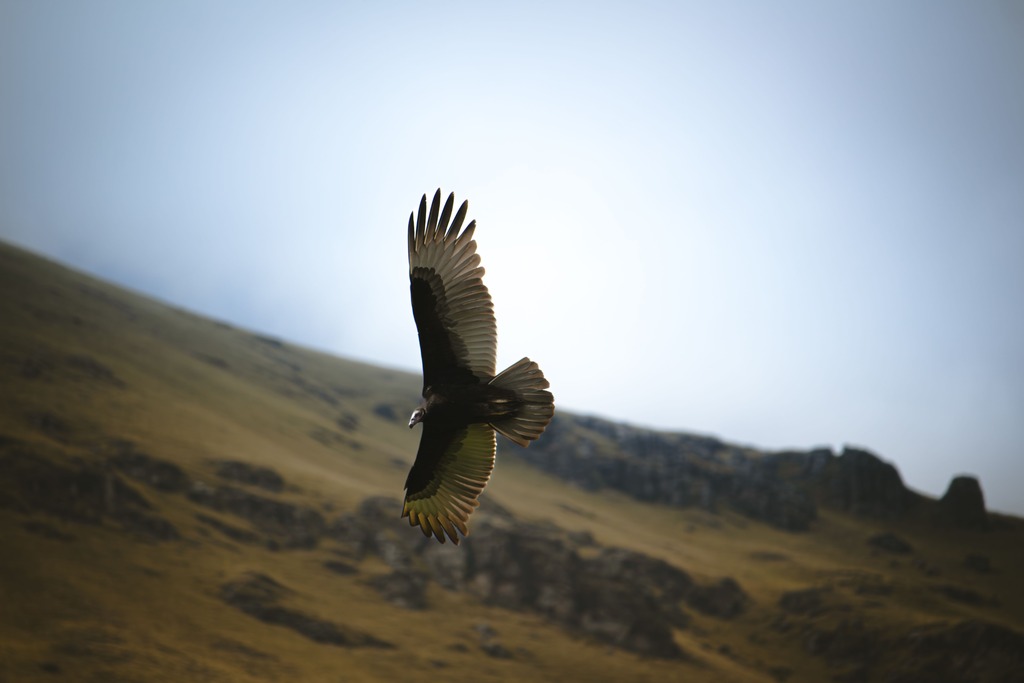
The bird you are almost guaranteed to see is the griffon vulture, known locally as buitre leonado. With a wingspan that can reach nearly three metres, it is unmistakable once you know what to look for: a pale, sandy-brown body, a bald head and neck surrounded by a ruff of white down, and broad wings with dark flight feathers spread out like fingers at the tips. Griffon vultures nest in colonies on the cliff faces of the gorges and spend much of the day riding rising air currents in search of carrion, often gliding in loose groups rather than alone. The best time to see them is around midday, once the sun has warmed the rock and the thermals start to build. Viewpoints overlooking the canyon walls, where the cliffs drop straight down to the river, tend to be the most reliable spots, since the vultures use exactly this kind of terrain to gain height without flapping.
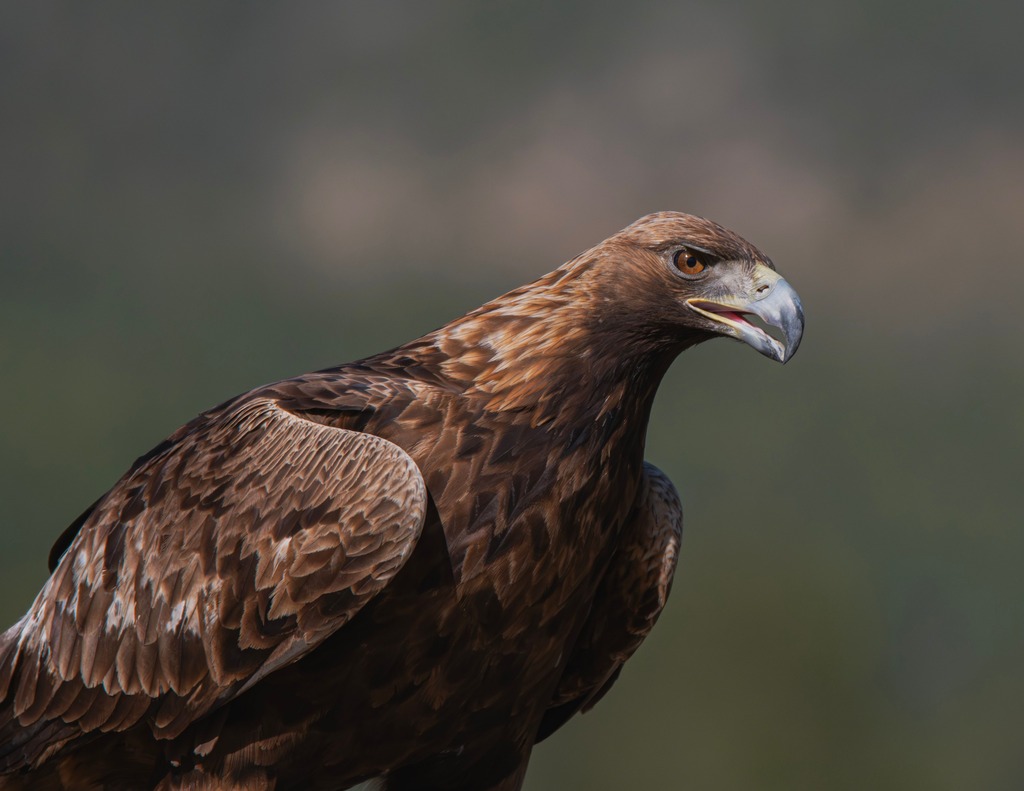
Golden eagles do breed in Galicia, but almost exclusively in the higher, wilder ranges such as Os Ancares and the Serra do Courel, rather than directly over the Ribeira Sacra itself. The same goes for Bonelli’s eagle, which favours rockier terrain further south. Both are possible if you extend a trip into those mountains, but neither should be expected on a typical visit to the gorges.
A bird that is more realistically seen here in the warmer months is the short-toed eagle, or águila culebrera, a summer visitor that breeds in Galicia and hunts over open ground and woodland edges, feeding almost entirely on snakes and lizards. It lacks the vulture’s bulk but is still a large, pale-bodied raptor, often seen hovering in place while scanning the ground below, which makes it easier to pick out from a soaring vulture even at a distance.
The Egyptian vulture, or alimoche, is smaller than the griffon but still an impressive sight, with a white body, black flight feathers, and a bare yellow face. It is also a summer visitor, nesting on cliff ledges and often seen in the company of the larger griffon vultures it sometimes follows to carcasses.
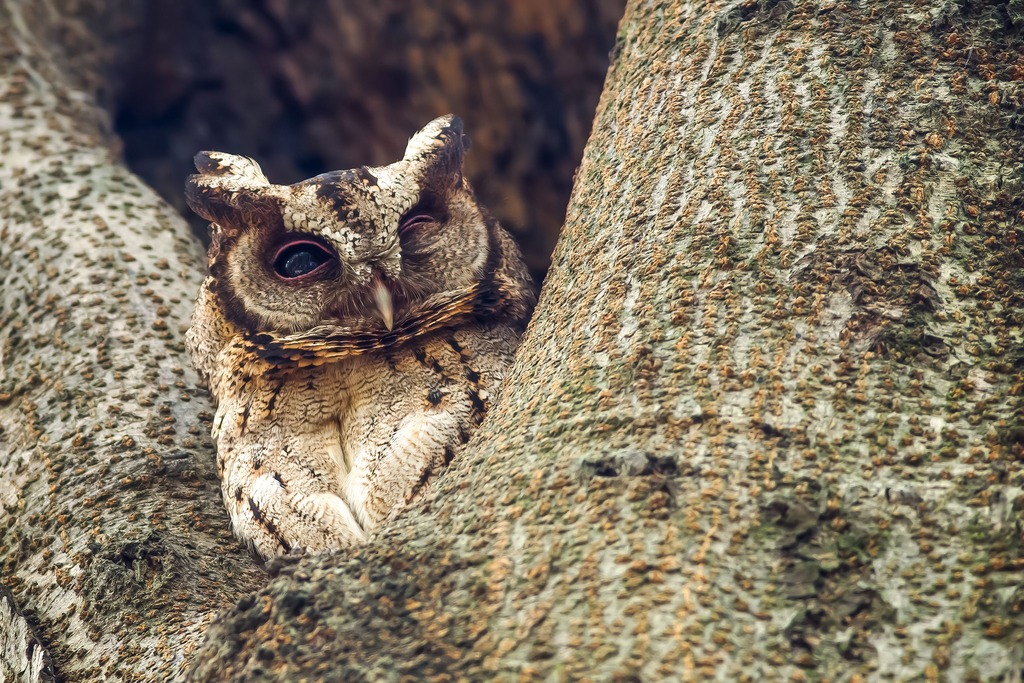
Worth mentioning too, even though it is an owl rather than a bird of prey in the strict daytime sense, is the eagle owl, or búho real, Europe’s largest owl species, which also nests in the rocky gorges of the Ribeira Sacra. It is far harder to see than the vultures, being nocturnal, but its deep, resonant call can sometimes be heard at dusk near the cliffs.
For anyone hoping to see these birds, patience and a decent pair of binoculars go a long way. The viewpoints along the Sil canyon are a good starting point, since they combine height, open sky, and proximity to the cliff faces the vultures use for nesting and roosting. Mid-morning to early afternoon, once the air has warmed enough to generate lift, is consistently the best window. Beyond the Ribeira Sacra, the Serra do Courel and Os Ancares offer a chance, though a smaller one, at the rarer species like the golden eagle, for those willing to spend more time in the mountains for a less certain reward.