When people dream about living in Spain, they usually think of the Costa Blanca, Costa del Sol, or perhaps the Balearic Islands. Sunshine, beaches, outdoor cafés, and a relaxed lifestyle immediately come to mind. While that image is certainly appealing, Spain has much more to offer than its famous coastal destinations.
We discovered this ourselves when we started exploring the possibility of moving to Spain. The more research we did, the more often we found ourselves drawn to a region that surprisingly few people seem to know about: Galicia.
Located in the far northwest of Spain, Galicia feels completely different from the Spain portrayed in most travel brochures. It is green, rugged, authentic, and surprisingly affordable. Today, more and more Northern Europeans are discovering this remarkable region. But what exactly makes Galicia so attractive?
The Green Side of Spain
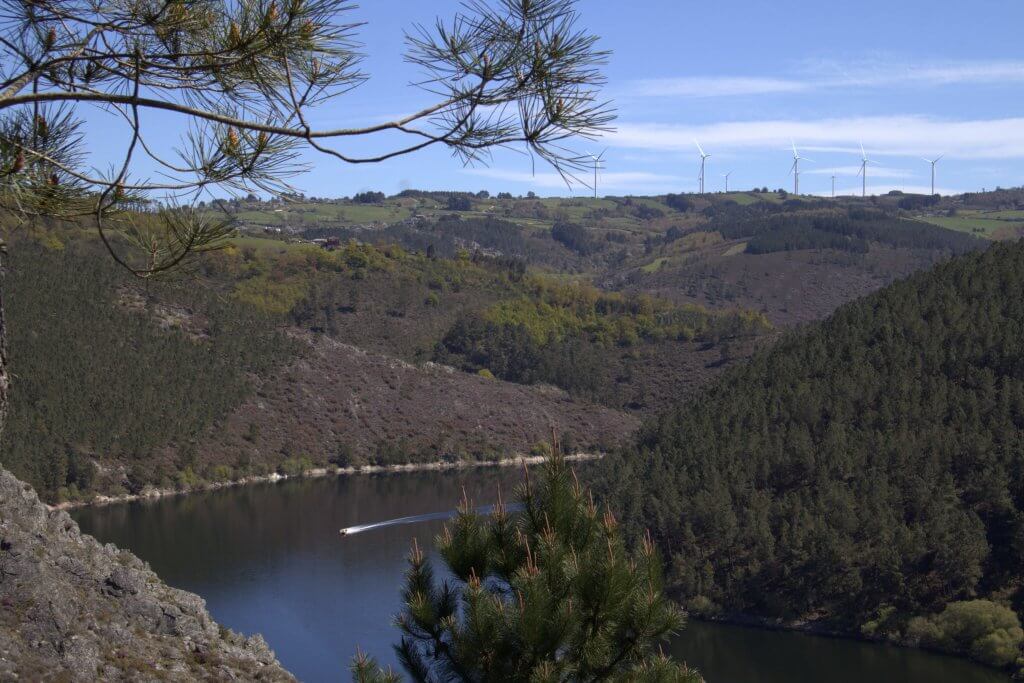
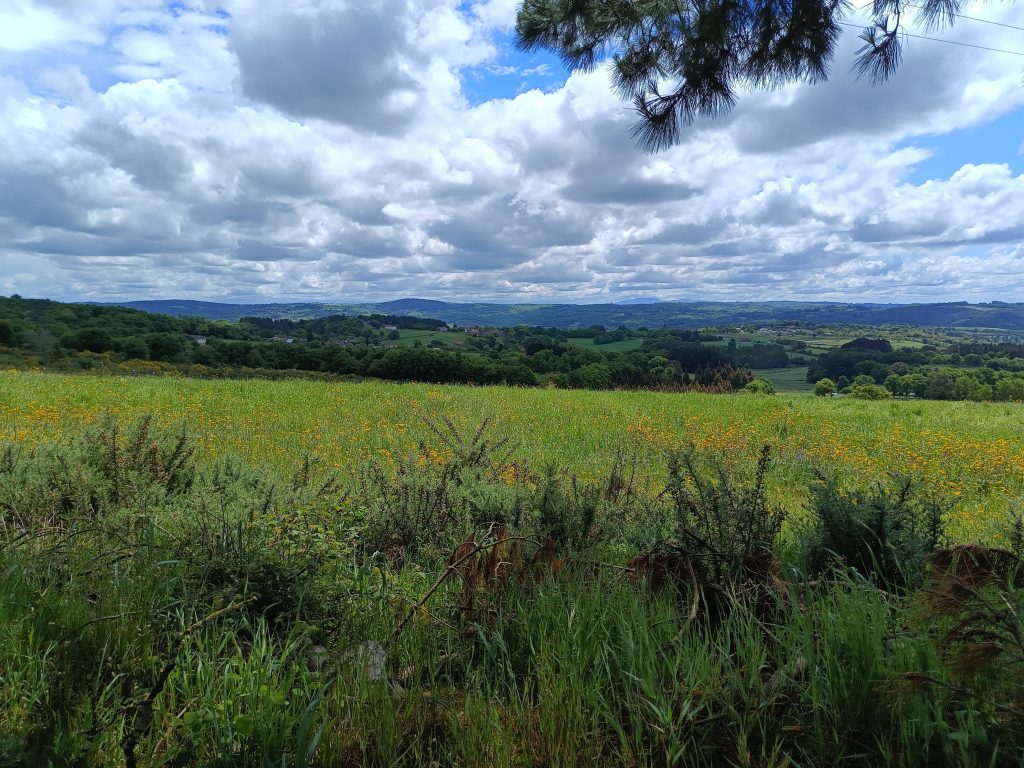
Anyone visiting Galicia for the first time quickly understands why it is often called “the Ireland of Spain.” Rolling green hills, forests, rivers, and a dramatic coastline define the landscape.
For many people from Northern Europe, the scenery feels familiar in some ways, yet everything seems larger, wilder, and more spectacular. The Atlantic Ocean provides breathtaking views, while small villages and historic towns preserve the region’s authentic character.
Unlike some parts of Spain that become overcrowded during the summer months, Galicia still offers beaches where you can enjoy nature and tranquility without the crowds.
A More Comfortable Climate
Many people dream of endless sunshine, but the reality of temperatures exceeding 40°C (104°F) during the summer is not for everyone.
Galicia offers a milder climate. Summers are warm but generally not excessively hot, while winters remain relatively mild. Thanks to the regular rainfall, the landscape stays green throughout the year.
Yes, Galicia receives more rain than Spain’s Mediterranean coast. However, that rainfall is exactly what creates the lush scenery that makes the region so unique. For many Northern Europeans, this balance proves far more comfortable than months of extreme heat and drought.
Property Prices That Remain Affordable
One of the biggest surprises for people considering a move to Spain is the difference in property prices.
In many of Spain’s most popular coastal regions, prices have risen significantly over the past decade. In Galicia, however, affordable opportunities can still be found, particularly outside the larger cities.
Whether you are looking for a traditional stone house, a countryside property, or a home with land, Galicia often offers possibilities that have become increasingly rare elsewhere in Spain.
That does not mean every property is inexpensive or ready to move into, but the region continues to provide opportunities for buyers willing to explore beyond the most popular destinations.
Peace, Space, and Quality of Life
Not everyone moving to Spain is looking for busy resorts, nightlife, or large expatriate communities.
Many people are searching for something different: peace, space, and a healthier work-life balance. Galicia delivers exactly that.
Life tends to move at a slower pace. People take time to talk, family remains important, and local traditions continue to play a central role in daily life.
For some newcomers, this slower rhythm takes a little getting used to. For many others, it becomes one of the main reasons they decide to stay.
An Increasingly Attractive Destination for Remote Workers
With reliable internet connections and the rise of remote work, more people than ever have the freedom to choose where they live.
As a result, Galicia is becoming increasingly attractive to entrepreneurs, freelancers, and professionals who can work online.
In the past, moving abroad often meant finding a completely new job. Today, many people can continue their existing careers while enjoying a completely different lifestyle.
After all, working from a home office overlooking the Atlantic Ocean is a tempting alternative to a daily commute.
But There Are Challenges Too
An honest story about moving abroad should also acknowledge the challenges.
Spanish bureaucracy can sometimes be frustrating. Administrative procedures often take longer than expected, and paperwork may seem to move from one office to another before anything gets finalized.
Language can also be a hurdle. While English is becoming more common, learning Spanish is highly recommended for anyone who wants to integrate into local life. In some areas, you will also hear Galician, the region’s own language.
And of course, there is the weather. If your primary goal is year-round sunshine and guaranteed dry summers, you may feel more at home along the Mediterranean coast.
Why We Fell in Love with Galicia
Every expat has their own reasons for choosing a particular destination.
For us, it was the combination of nature, space, authenticity, and quality of life that ultimately made the difference. Galicia did not feel like a tourist destination; it felt like a place where people genuinely live, work, and build their futures.
That authenticity was exactly what we were looking for.
Here, we found a version of Spain that felt relaxed without being sleepy, green without being gloomy, and traditional without feeling isolated from the modern world.
Is Galicia Right for You?
Galicia may be an excellent fit if you:
- Love nature and outdoor living.
- Prefer peace and tranquility over busy tourist areas.
- Appreciate moderate temperatures rather than extreme heat.
- Are interested in Spanish culture and local traditions.
- Are willing to learn Spanish.
- Dream of having more space and a slower pace of life.
If, on the other hand, your priority is guaranteed sunshine, international resorts, and large English-speaking communities, other regions of Spain may be a better match.
However, if you are searching for an authentic corner of Spain that remains largely undiscovered by mass tourism, Galicia deserves a place at the top of your list.
Like us, you may discover that Spain’s most beautiful region is not found on the Mediterranean coast at all, but along the rugged Atlantic shoreline in the far northwest of the country.