
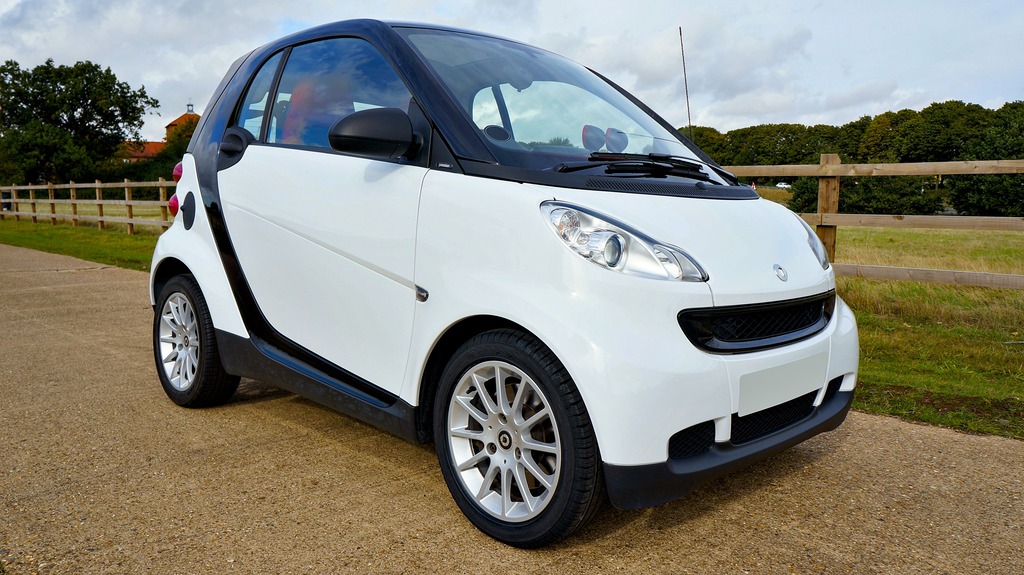
If you have spent any time driving in Spain, you have probably noticed small coloured stickers in the corner of some windscreens. These are the DGT environmental stickers (distintivo ambiental), and they are worth understanding before you import a car or buy one here, even if you live somewhere as quiet as rural Lugo.
A note on this article: we have not needed to apply for this sticker ourselves yet, so what follows is based on official DGT information and current reporting rather than personal experience. If our own situation changes, we will update this piece accordingly.
What is the DGT environmental sticker?
The sticker is issued by the Dirección General de Tráfico (DGT), Spain’s traffic authority. It classifies vehicles by how clean they are, and cities use it to control access to Low Emission Zones (Zonas de Bajas Emisiones, or ZBE). The cleaner your car, the more freedom you have to drive and park in restricted areas.
There are four categories:
- 0 Emisiones (blue): fully electric, hydrogen, or plug-in hybrids with a long electric range
- ECO (blue and green): hybrids and gas vehicles meeting modern emissions standards
- C (green): petrol and diesel cars meeting recent Euro 6 standards
- B (yellow): older vehicles, generally Euro 4 petrol or Euro 6 diesel
Cars that do not meet any of these standards receive no sticker at all, and since January 2025 these vehicles have been banned from most Spanish city centres, with exceptions for emergency vehicles, adapted vehicles for people with reduced mobility, and registered historic vehicles.

Do you actually need one in Galicia?
This is the honest answer for anyone moving here: Low Emission Zones are mostly a big-city issue. Madrid, Barcelona, and Valencia have the most developed restrictions, while Galician cities like Vigo, A Coruña, and Santiago de Compostela are still building out their own ZBE frameworks as required by national law. In our own village, and across most of rural Lugo, nobody is checking your windscreen for a sticker.
That said, there are two reasons it is still worth sorting out:
- If you plan to drive into or through larger cities, in Galicia or elsewhere in Spain, having the correct sticker avoids fines and access problems.
- The DGT itself confirms that displaying the sticker is voluntary, but without it you cannot access ZBE-restricted areas or claim any parking or tax benefits tied to your vehicle’s category.
How to check your category and get the sticker
The DGT has an online tool where you enter your registration number and it tells you exactly which category your car falls into. Once you know your category, the sticker itself can be picked up at:
- Post offices (Correos)
- Authorised garages
- Gestores (the same administrative agents who help with NIE, empadronamiento, and other paperwork)
- The IDEAUTO automotive institute
The sticker needs to go in the bottom right corner of your windscreen. It is a small, inexpensive step, but worth doing at the same time as the rest of your car import or registration paperwork.
A word on the 2026 confusion
If you search around, you will find a lot of conflicting information from 2025 predicting a major overhaul of the sticker categories for 2026. As it turns out, that reform did not go through. A proposed amendment to include CO2 emissions as an additional criterion was ultimately dropped, so the four categories and their requirements remain unchanged for 2026. There is talk of a possible revision by 2027, when the stricter Euro 7 standard comes into force, but nothing is confirmed yet. We will update this article if and when that changes.
The takeaway
For most people settling into rural Galicia, the DGT sticker is not urgent. But if you are already dealing with importing a car or registering one after your move, it costs little extra effort to check your category and get the sticker at the same time. It is one less thing to think about later, especially if your daily errands ever take you into Vigo, A Coruña, or Santiago.