On Monday, July 27, 2026, the World Heritage Committee, meeting in Busan, South Korea, decided not to grant the Ribeira Sacra UNESCO World Heritage status, at least not yet. But the news is far better than it sounds. Instead of rejecting the candidacy outright, the Committee opted for what’s called a “referral,” sending the file back to Spain so the documentation can be strengthened before it’s resubmitted. This means the process doesn’t have to start from scratch.
We’ve lived in the heart of this landscape since January, and we know how much weight this candidacy carries here, so we wanted to break down what actually happened and what it means going forward.
Why This Outcome Is Better Than It Looks
To understand why this counts as a relief, it helps to know what was at stake. ICOMOS, the advisory body that evaluates World Heritage nominations, had initially recommended against inscribing the Ribeira Sacra at all. Given that starting point, a referral is actually the most favorable result the candidacy could have hoped for this round.
The decision followed hours of debate and intense negotiation among member states. A bloc of fifteen countries, led by Peru, pushed for the referral option, while others, including Switzerland and the Czech Republic, argued for a deferral instead. A deferral would have been much harsher, effectively forcing Spain to rebuild almost the entire dossier.
What Happens Next
The agreement includes an important next step: an on-the-ground advisory mission from ICOMOS. International experts will work directly with the Spanish government and the Xunta de Galicia to refine the candidacy before it’s evaluated again.
Alfonso Rueda, president of the Xunta de Galicia, thanked the Spanish government for its involvement and commitment to defending the bid, and confirmed that Galicia intends to try again within a year, expressing hope for success next time around.
Why the Ribeira Sacra’s Candidacy Matters
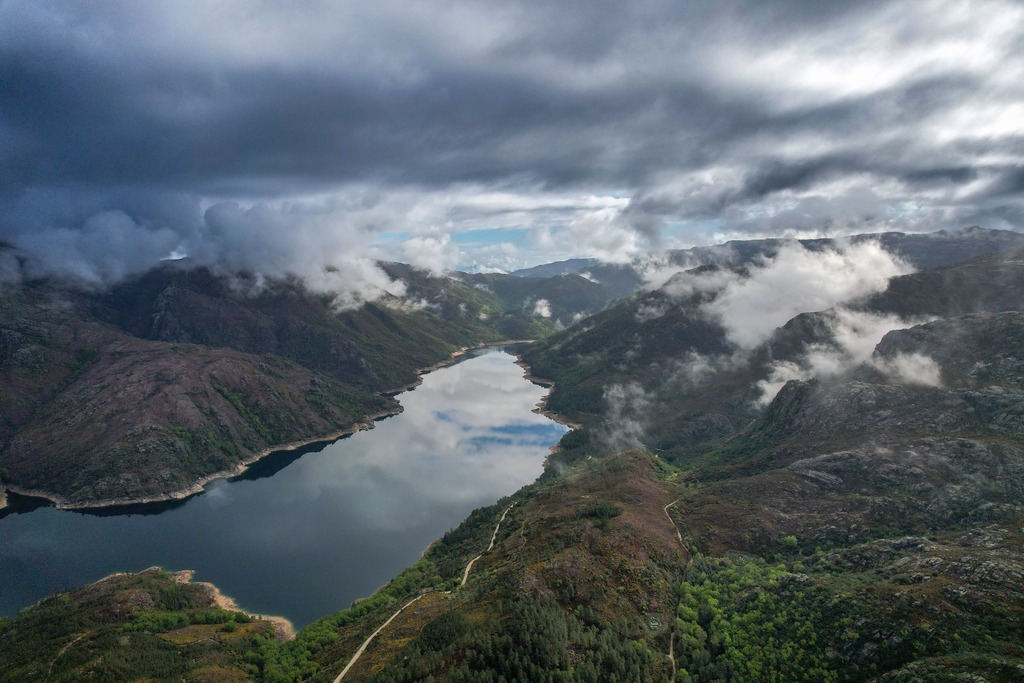
For those unfamiliar with it, the Ribeira Sacra has been on Spain’s UNESCO tentative list since 1996. The proposed site spans the provinces of Lugo and Ourense, following the deep canyons carved by the Sil and Miño rivers. That geography is easier to understand with our guide to Galicia’s four provinces. It’s known for a remarkable combination of factors that rarely appear together in one landscape: centuries-old monasteries perched on cliffsides, terraced vineyards clinging to near-vertical slopes, and a monastic history stretching back over a thousand years.
Recent archaeological work has actually reinforced the case for the region’s uniqueness. Excavations tied to vineyard cultivation have traced winemaking here back to at least the year 876, documented in a donation record tied to the monastery of Santa Cristina de Ribas de Sil. Findings like these are exactly the kind of evidence that could strengthen the revised dossier.
What This Means If You’re Living Here or Planning to Visit
For now, nothing changes on the ground. The Ribeira Sacra remains what it’s always been: a working wine region with a living monastic heritage, not a museum piece. If anything, the renewed international attention over the coming year is likely to raise the region’s profile even before any formal listing happens.
We’ll be watching how this unfolds, especially as the ICOMOS advisory mission gets underway, and we’ll share updates here as they come.