A note on how we wrote this: magosto is celebrated all over Galicia, but it is especially strong here in the south of Lugo, close to where we live. What follows on the local flavor of the celebration comes from what we have seen and joined in ourselves. The historical background further down is based on research, since the origins of the festival go back further than any living memory.
As autumn settles in and the first cold nights arrive, villages across Galicia light bonfires and gather to roast chestnuts. This is magosto, one of the region’s oldest and most loved traditions, and one of the clearest signs that the seasons have turned.
What Is Magosto?
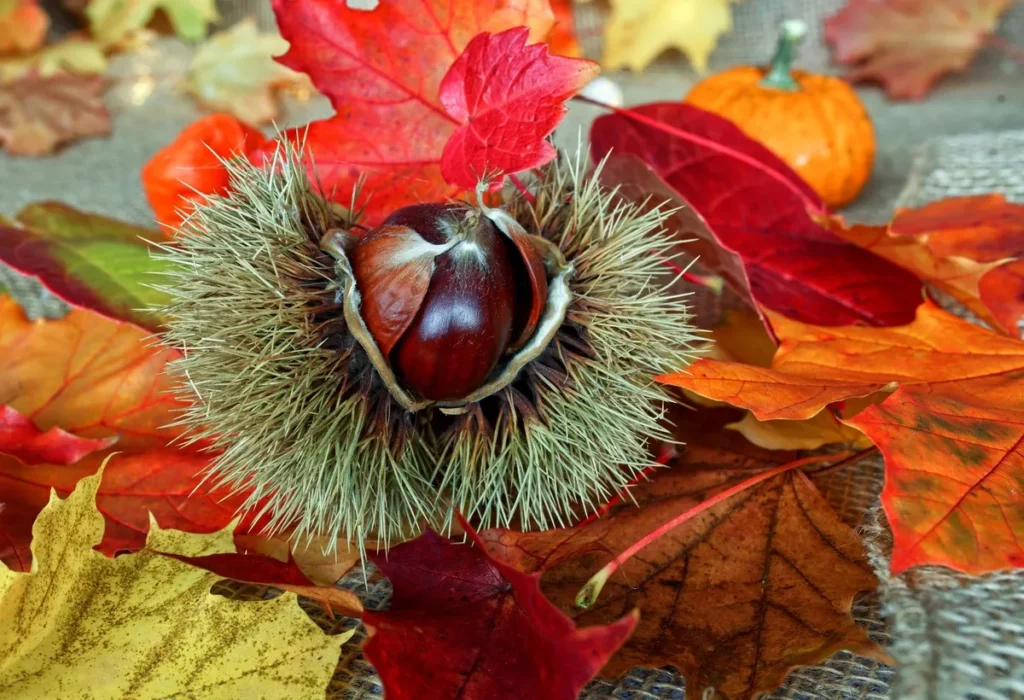
Magosto is a harvest celebration built around chestnuts, fire, and company. Groups of friends, families, or entire villages gather around an open fire, usually in or near a souto (a chestnut grove), to roast chestnuts and share food, wine, and stories. It normally falls in the first half of November, often tied to San Martiño (Saint Martin’s Day) on November 11th, though the exact date shifts from place to place.
The tradition is strongest in the south of Lugo and in Ourense province, where chestnut groves have historically been more abundant. That regional weight is one of the reasons we get to see it up close where we live.
Where Magosto Comes From
The chestnut itself has a long history in Galicia. Historians generally trace its spread through the region back to the Romans, who introduced more productive varieties than the wild trees that grew here before. For centuries afterward, chestnuts were a genuine dietary staple, providing flour and food long before potatoes and corn became widespread.
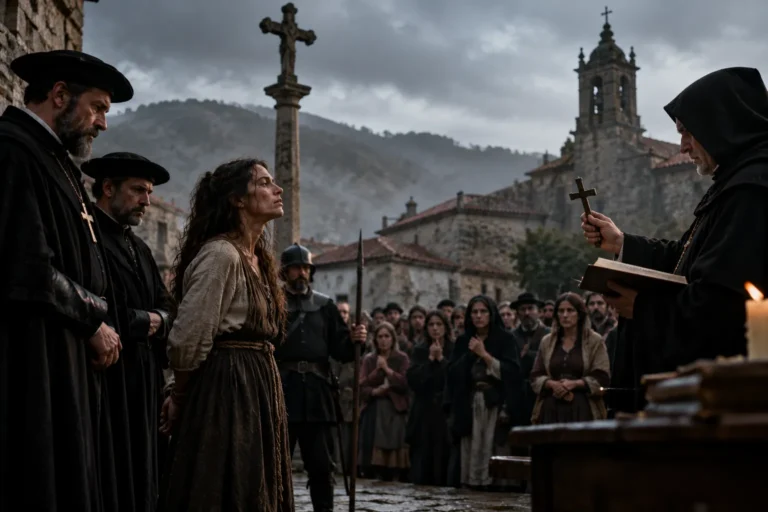
The festival’s roots are believed to go back further still, to pre-Christian harvest and fire rituals connected to the end of the agricultural year. Over time, this pagan layer merged with the Christian calendar, and the celebration became loosely tied to All Saints’ Day and San Martiño, which also happened to be the traditional date for the annual pig slaughter. That overlap explains why chorizo, other pork products, and new wine so often show up alongside the chestnuts.
How Magosto Is Celebrated
The core of a magosto has barely changed over the years. Chestnuts are roasted over an open fire or in a large perforated pan or drum, filling the air with a distinct smoky, sweet smell. Around the fire, people share roasted chestnuts, young wine from that year’s harvest, and often chorizo or other cured pork.
Music and dancing are common parts of the celebration, particularly traditional instruments like the gaita (Galician bagpipe) and pandeiro (tambourine). Many towns and villages hold larger public magostos, some of which have been officially recognized as festivals of tourist interest, while smaller, informal versions still happen in gardens, courtyards, and chestnut groves between friends and neighbors.
Schools across Galicia also hold their own magostos with children, which is often how the tradition gets passed down. Even in a small village, it is not unusual to see local associations organize a communal bonfire that anyone can join.
Experiencing Magosto as a Visitor or New Resident
If you happen to be in Galicia in late October or early November, magosto is easy to stumble into, and just as easy to seek out. Larger public celebrations, particularly in and around Ourense and southern Lugo, tend to be well advertised locally and welcome outsiders without any formality. Smaller village gatherings can be harder to find in advance, but if you are living locally, an invitation from neighbors is often just a matter of time.
Either way, it is one of the more accessible ways to experience Galician culture firsthand. All that is really expected of you is an appetite for roasted chestnuts and a willingness to sit by the fire.