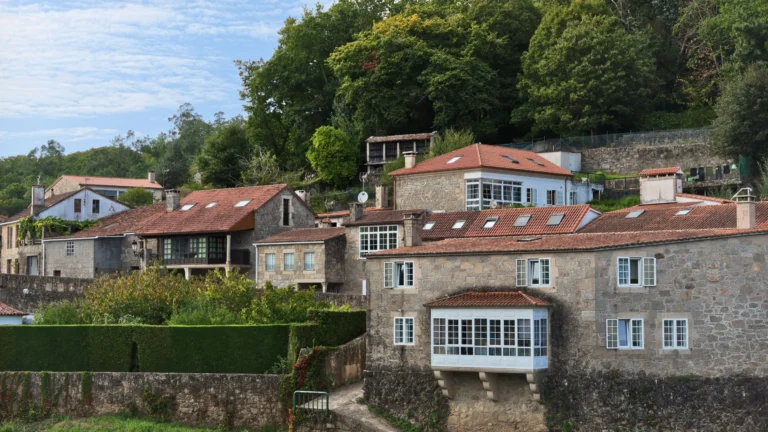
When people think about retiring in Spain, Galicia rarely comes up first. The conversation usually starts with the Costa del Sol, or Alicante, or maybe the Balearics, places with decades of established expat infrastructure, English-speaking real estate agents on every corner, and a version of Spain that has been shaped, for better or worse, around foreign retirees. Galicia is different, and that difference is exactly why we think it deserves more attention than it gets.
Retiring in Galicia sounds idyllic. The reality is more nuanced, and that’s worth knowing before you move.
We didn’t move here to retire ourselves, but since settling into rural life in the Ribeira Sacra, we’ve met and heard from enough people either planning their retirement here or already living it that we wanted to lay out what it actually looks like, without the marketing gloss. We chose this area partly because the house prices made sense for us and partly because of the climate. The reality is more nuanced than the usual Galicia stereotype: winter brings plenty of rain, which we knew about before moving, but we’ve also had surprisingly hot summer days. During the summer of El Niño, we had many days above 30°C, which was hotter than we expected.
A Different Kind of Spanish Climate
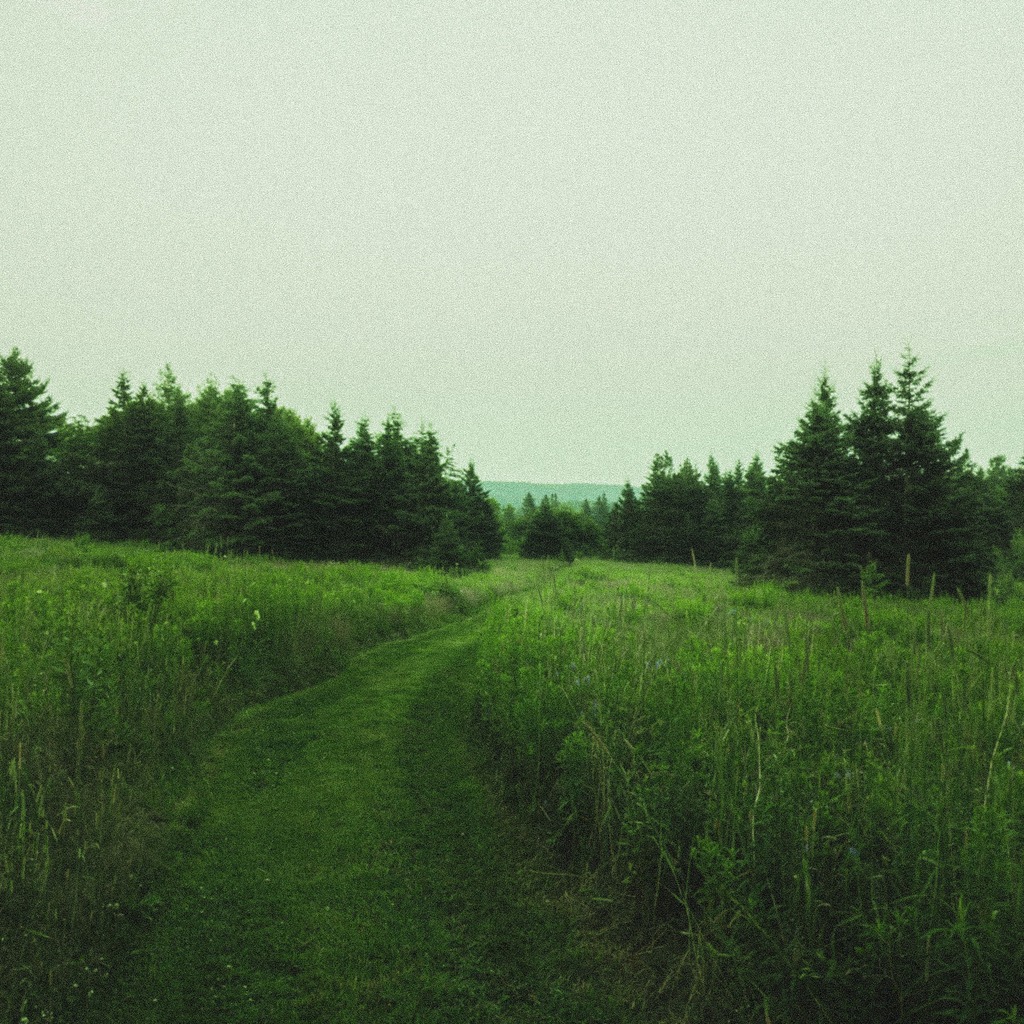
The first thing to understand about Galicia is the climate, because it’s the thing that surprises people most and the thing that puts some people off before they’ve even given it a chance. This is not the sun-drenched, bone-dry Spain of the postcards. Galicia is green, genuinely green, in a way that owes everything to rain. Winters are mild but wet, and even summers can bring grey, misty mornings before the afternoon burns through. For anyone picturing year-round terrace weather, that’s a mismatch worth knowing about early. But for a lot of retirees, especially those coming from northern Europe, this can actually be a selling point rather than a drawback. The summers are warm without the extreme, punishing heat that much of southern Spain now deals with for weeks at a time, and the landscape stays lush instead of turning to dust. If what you’re after is mild, green, and quiet rather than relentless sunshine, Galicia fits in a way that the more obvious destinations don’t.
A Slower Rhythm to the Day
The pace of life is the second thing that stands out, and it’s closely tied to why we think this region suits a retirement phase of life particularly well. Siesta culture is still very much alive here, especially outside the bigger cities. Shops close in the early afternoon, life slows down, and there’s an unhurried rhythm to the day that can take some adjusting to if you’re coming from a culture built around constant productivity. For someone stepping out of a working life and into retirement, that rhythm isn’t an inconvenience to work around, it’s arguably the whole point. It gives you permission to slow down because everyone around you already has.
The Paperwork Side
On the practical side, the paperwork looks broadly similar to what any non-EU retiree faces elsewhere in Spain, though the specific route matters. For retirees without Spanish-sourced income, the non-lucrative visa is typically the relevant path, requiring proof of sufficient passive income or savings and private health insurance, rather than a work-based visa. Beyond that there’s the same sequence most people moving here go through: getting your NIE, registering on the padrón in your town hall, and eventually obtaining residencia. We’ve written about this bureaucratic process in more detail elsewhere, and the short version is that none of it is particularly hard, it just takes patience and a willingness to show up in person, sometimes more than once, for things that would be a five-minute online form back home.
Healthcare Basics
Healthcare is worth touching on briefly, because it’s usually one of the first questions retirees ask. Spain’s public healthcare system has a strong reputation, but access for non-lucrative visa holders typically depends on private health insurance rather than immediate entry into the public system, at least initially. It’s a detail worth researching properly and confirming with a professional rather than assuming, since visa requirements and healthcare access rules can shift.
Coast Versus Interior: The Social Question
Then there’s the social side, which we think gets underdiscussed compared to climate or paperwork. Galicia does have expat communities, but they’re concentrated far more along the coast, in places like the Rías Baixas, than in the rural interior where we live. Inland, in provinces like Lugo and Ourense, you’ll find far fewer foreign faces, which has upsides and downsides depending on what you’re looking for. The upside is a more authentic experience and warmer, more curious welcomes from locals precisely because you’re not one of hundreds of expats they’ve already met. The downside is that you’ll need to make more effort with the language, and Galician villages don’t come pre-equipped with English-speaking social clubs the way some coastal towns do. If a built-in international social scene is important to you, the coast will serve you better. If you’d rather integrate into local life at a slower, deeper level, the interior has a lot to offer.
What Your Money Buys
Cost of living is another factor that works in Galicia’s favor. Compared to the more established retirement destinations further south and along the Mediterranean coast, everyday costs here, from groceries to property to eating out, tend to run lower, partly because the region simply hasn’t been discovered by the same volume of foreign buyers. We go into this in more depth in our guide to the actual cost of living in Galicia, but the short version is that your money tends to go further here than in the places people usually default to.
Getting Home for Family Visits
One practical point that matters more as people get older is proximity to airports, especially for family visits. Galicia is served by three airports, Santiago de Compostela, A Coruña, and Vigo, all with connections to major European hubs, though flight frequency and direct routes are more limited than what you’d find flying into Madrid or Barcelona. It’s worth checking the specific routes from wherever your family is based before assuming it will be simple.
So, Who Is This Actually For?
Honestly, not everyone. If you’re picturing a retirement built around beach bars, guaranteed sunshine, and an established English-speaking social circle from day one, the Galician interior will likely disappoint you, and the coast may only partially deliver it. But if what you want is genuine quiet, green landscapes, a slower rhythm to your days, and a part of Spain that hasn’t yet been reshaped around foreign retirees, Galicia offers something increasingly hard to find elsewhere in the country. We didn’t come here to retire, but watching how life unfolds around us, we understand exactly why some people choose to. If you are comparing areas before making that decision, our guide to the best places to live in Galicia for expats compares the main regions and their different lifestyles.