
Where Cows Outnumber People: Rural Lugo’s Strange Statistic
The first time we heard that some Galician villages have more cows than residents, it sounded like the kind of exaggeration people make about the countryside to sound charming. Then we looked at the numbers, and it turned out to be true. Not just true, but true for dozens of municipalities, several of them close to where we live.
The numbers behind the claim
According to the Instituto Galego de Estatística (IGE), the region’s official statistics office, Galicia was home to roughly 524,000 registered cattle in 2023. That is spread very unevenly across the territory. The province of Lugo alone accounts for the largest share, with well over half of all cattle in Galicia grazing within its borders.
As of the most recent data, around 66 to 68 municipalities in Galicia have more cattle registered than people living there. Most of these are in Lugo. In the most extreme case, A Pastoriza, there are roughly five and a half cows for every resident. Mazaricos and Lalín are not far behind.
Why this happens
This is not some quirky accident. It is the direct result of two things happening at once: a long dairy and cattle-farming tradition in inland Lugo and A Coruña, and a steady decline in rural population as younger generations move to the cities or abroad. The farms did not disappear the way the people did. Dairy and beef cattle remain one of the few economically viable activities in areas where the population has been shrinking for decades, so the cows stayed while the human number kept falling.
It is worth saying this plainly, because it is easy to romanticise: this statistic is as much a symptom of rural depopulation as it is a fun fact about Galician farming culture.
What it looks like from where we live
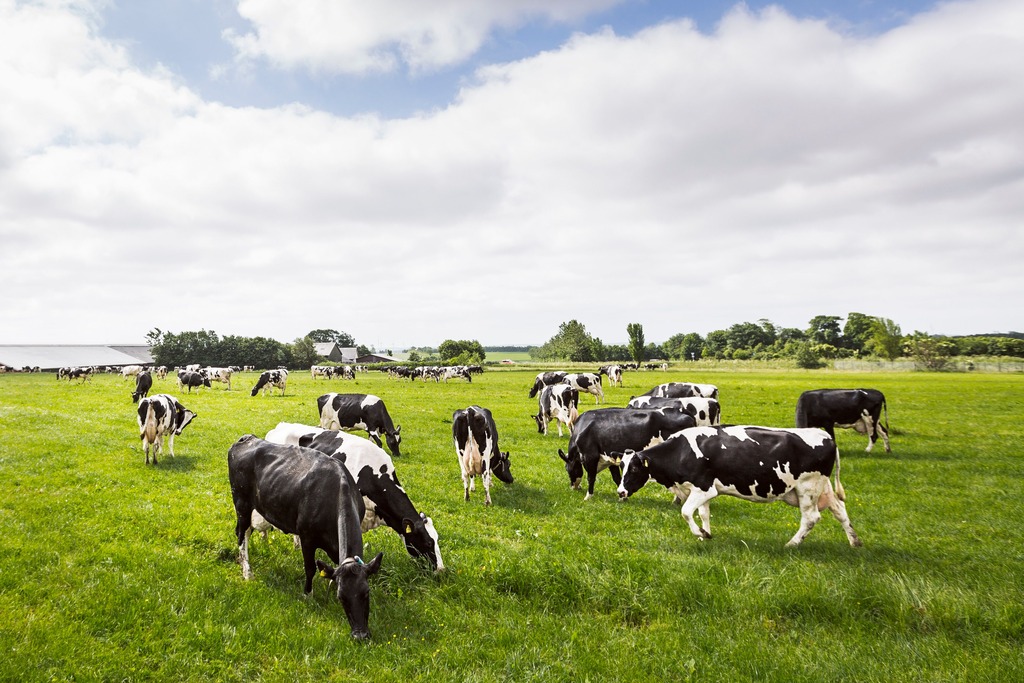
We do not need a spreadsheet to notice this locally. Drive ten minutes in almost any direction from our village and you will pass more pastures with grazing cattle than you will pass people on the street. Cowbells are a normal part of the soundtrack here, along with the occasional traffic jam caused by a herd being moved between fields. It is one of those details that took some adjusting to when we first arrived from the Netherlands, where farmland and cattle exist, but never at a density where an entire village can be outnumbered by its livestock.
A very Galician kind of statistic
There is an old saying, often attributed to the writer Manuel Rivas, that Galicia used to be “the country of the million cows.” The current total is closer to half that, and it keeps drifting down slightly year over year even as certain municipalities remain heavily dominated by cattle. It is a small statistic, but it captures something real about this part of Spain: a landscape shaped as much by agriculture as by people, and a rural way of life that persists quietly in the background of everyday Galician life.