Everyone who moves to Galicia hears the same warning before they arrive: it rains a lot. And it does. But that single sentence does not really prepare you for what the climate actually feels like once you are living in it day to day. Here is what we wish someone had told us.
It is not the amount of rain, it is the rhythm of it
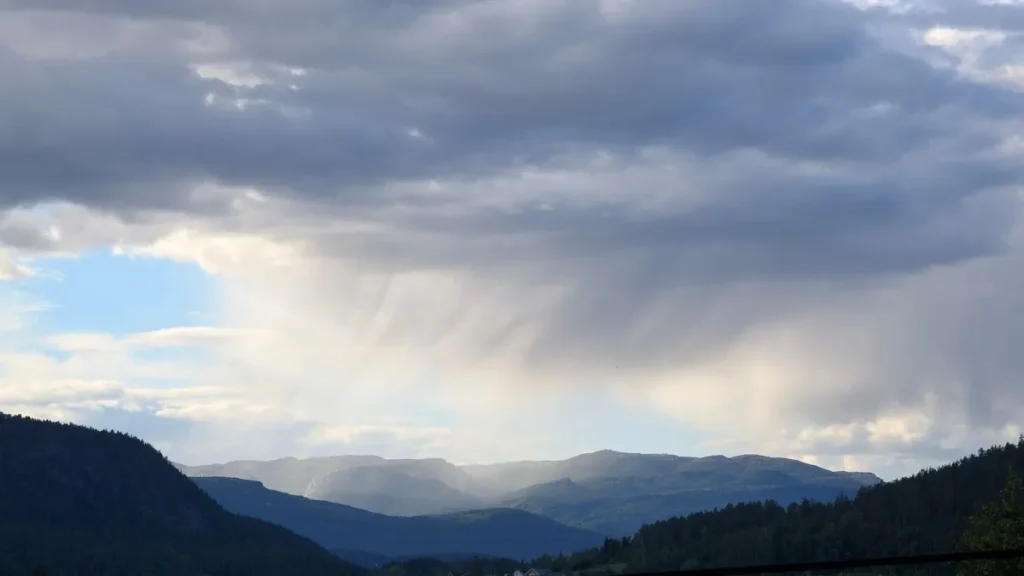
Coming from the Netherlands, we did not think rain itself would be the adjustment. We already knew grey skies. What surprised us was the rhythm. Galician rain tends to arrive in long, unhurried stretches rather than short showers. A wet week does not mean occasional drizzle between dry spells, it can mean days where the cloud simply sits over the valley and does not lift. Then, just as suddenly, you get a stretch of blue sky and warm sun that makes you forget the rain was ever there.
That unpredictability is harder to plan around than steady bad weather would be. You learn to stop trusting the forecast much beyond a day or two, and to treat any dry morning as an opportunity rather than an expectation.
The humidity is the real story, not the rain itself
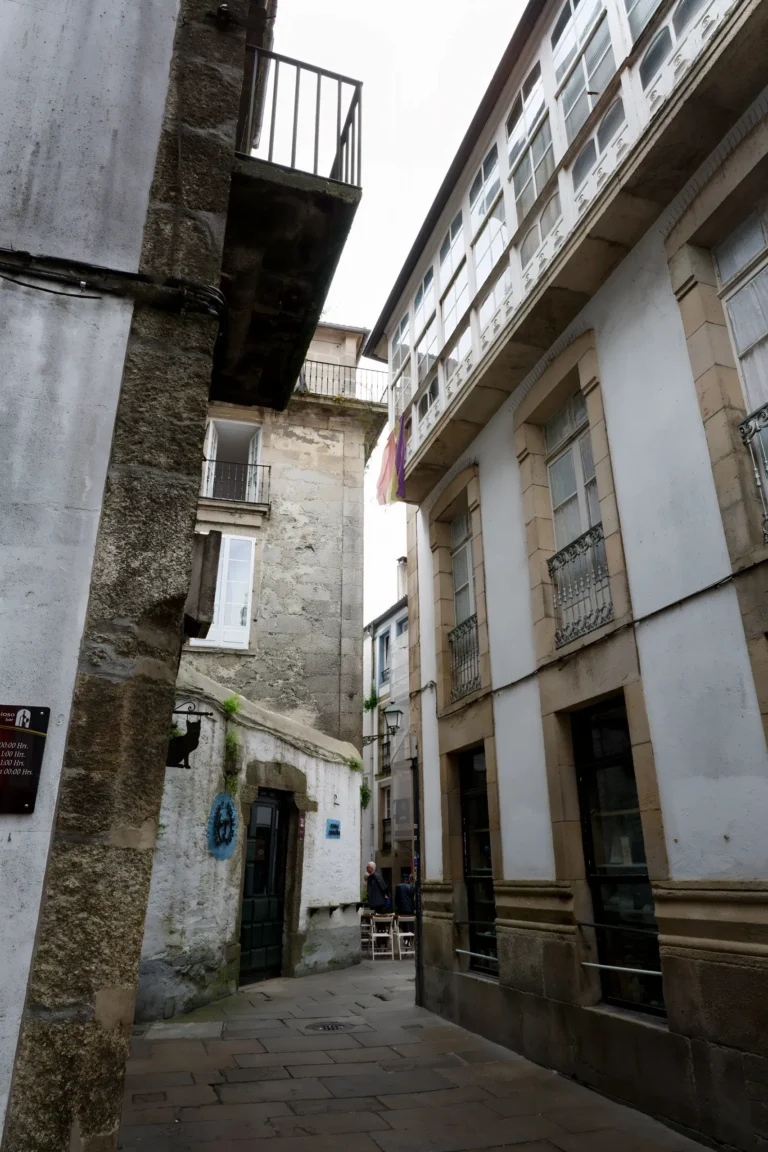
The rainfall numbers get all the attention, but the humidity is what actually changes daily life. Clothes take longer to dry, even indoors. Wooden furniture and doors swell and stick during the wettest months. Mould can appear on walls or in cupboards if a house is not well ventilated, especially in older stone houses that were not built with modern insulation or damp-proofing in mind. If you are looking at property, this is worth asking about directly rather than assuming a charming old house will handle the climate well on its own.
It changes sharply depending on where you are
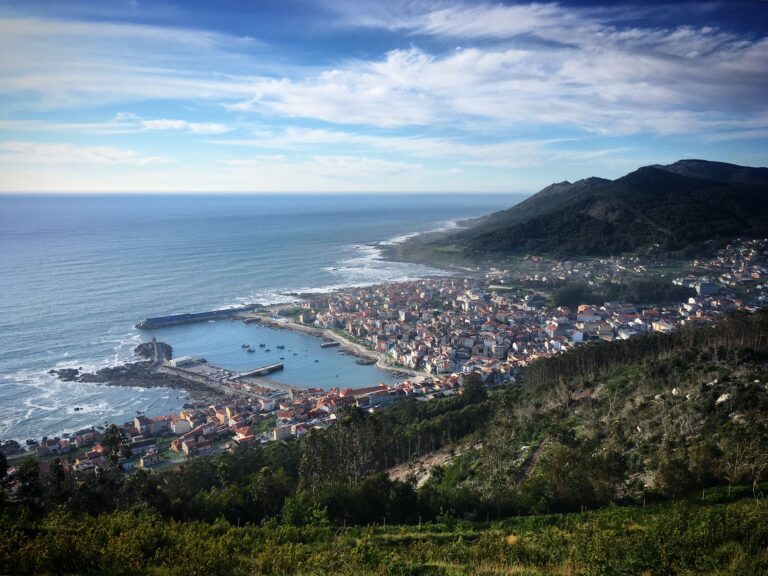
“Galicia” gets talked about as one climate, but it is not. The coast and the interior behave quite differently. Coastal areas get more consistent damp and wind off the Atlantic, with milder temperatures year round. Inland, in areas like the Ribeira Sacra where we live, summers get properly hot and dry, sometimes uncomfortably so, while winters bring a colder, more persistent damp that settles into the river valleys. Fog is common here in a way it simply is not on the coast. If someone tells you about “Galician weather” based on a trip to A Coruña or a beach town, do not assume it applies to the interior, or the other way around.
The upside almost nobody mentions
For all the warnings about rain, the payoff is easy to miss until you have lived through a full year here. This is one of the greenest parts of Spain precisely because of the rain, and it stays green through the whole year, not just spring. The rivers stay full, the forests do not turn brown and brittle in August the way much of Spain does, and the landscape keeps changing with the seasons instead of just baking. If you love nature and hiking, as we do, the rain is not a cost you pay for living here, it is the reason the place looks the way it does.
What we would tell someone before they move
Rain is not the problem people expect. The mental adjustment is less about tolerating wet weather and more about accepting a slower, greyer rhythm to a lot of the year, and building a life that does not depend on consistent sunshine. Good footwear, a house with genuine damp management, and a shift in expectations around outdoor plans will get you further than anything else.
If you are still deciding where in Galicia to settle, it is worth spending time in both a coastal town and an inland area like ours before committing, because the two climates really do feel like different places to live. Our guide to the best places to live in Galicia compares several of those coastal and inland options.