
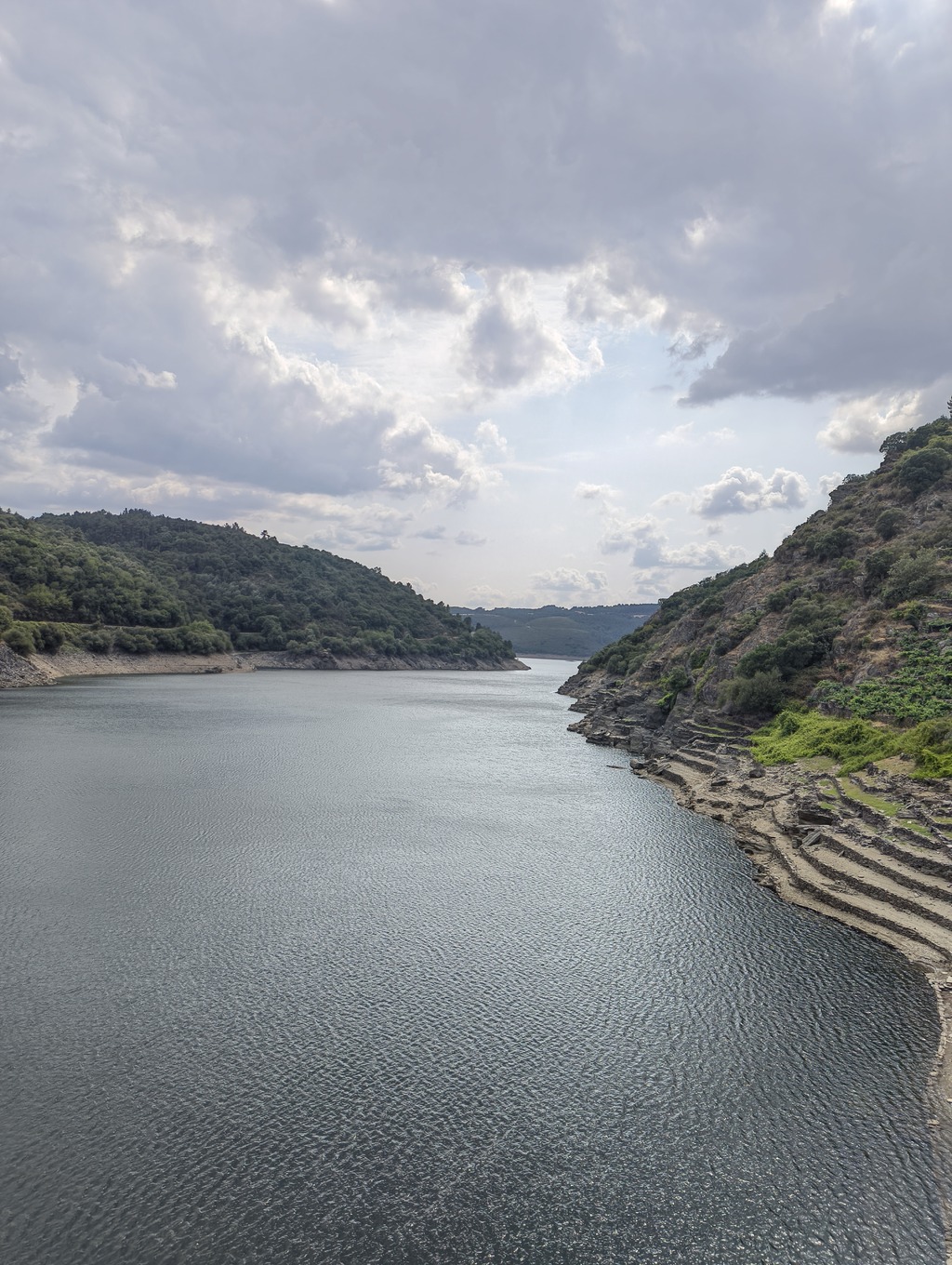
A note on how we wrote this: we live in a small village in the Ribeira Sacra area of Lugo province, so that part of this guide comes from lived experience. For the cities and coastal areas, we’ve drawn on research, local sources, and conversations with other expats, and we’ve been upfront below about which is which.
“Where should we actually live in Galicia?” is probably the single most common question we get asked, and it doesn’t have one answer. Galicia isn’t a single place to move to. It’s a region roughly the size of Belgium, with a rainy Atlantic coast, a drier interior, small cities, big cities, and thousands of villages, and the right answer depends entirely on what kind of life you’re trying to build. This guide walks through the main options.
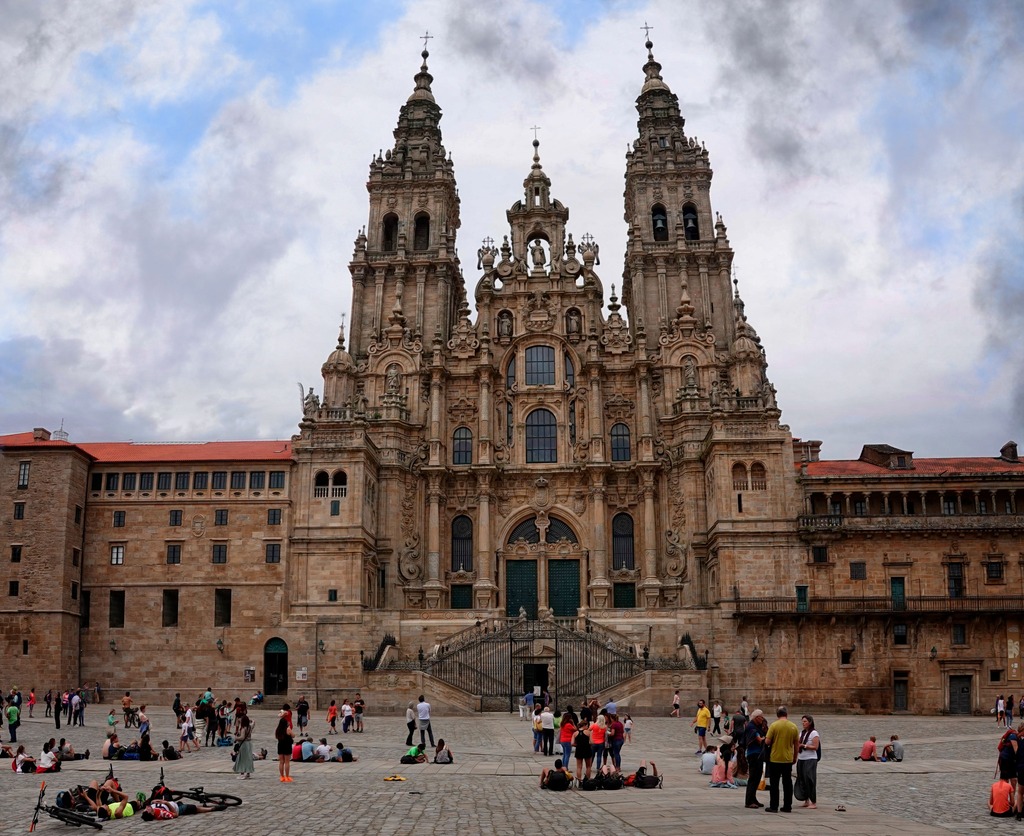
Santiago de Compostela: For City Life Without the Chaos
Santiago is Galicia’s capital and its most international city, largely because it’s been welcoming pilgrims and students for centuries. It has a university, a small but real expat and international community, good public transport connections, and an airport with direct flights to several European cities.
Life here suits people who want walkable city living, cafe culture, and easy access to healthcare and services, without the size or traffic of a place like Madrid or Barcelona. The old town is beautiful but touristy, especially in high season. Housing costs have risen as the city has become more popular with remote workers, though it remains far cheaper than Spain’s major cities.
Best for: people who want an international, walkable base with strong infrastructure and don’t mind rain most of the year.
A Coruña: The Coastal City With Its Own Identity
A Coruña sits right on the Atlantic and has a distinctly different feel from Santiago, more commercial, more coastal, with a real city beach in the middle of town. It’s Galicia’s largest city by population and has the infrastructure to match: shopping, healthcare, an airport, and good connections along the coast.
The climate here is mild but genuinely wet, similar to much of coastal Galicia. Locals joke that A Coruña has two seasons, rainy and less rainy. The city has a strong local culture and isn’t as geared toward foreigners as Santiago, so a reasonable level of Spanish (or a willingness to learn fast) helps more here.
Best for: people who want proper city amenities and coastal living combined, and don’t mind that English isn’t widely spoken outside tourist areas.
Vigo: Galicia’s Industrial and Economic Hub
Vigo is Galicia’s most populous city and its economic engine, built around fishing, shipbuilding, and the automotive industry (it’s home to a major Citroën/Stellantis plant). It’s less picturesque than Santiago or A Coruña in the postcard sense, but it has a real, working city energy, a large port, and easy access to the Rías Baixas, the string of estuaries and beaches to its south that are among Galicia’s most beautiful coastal landscapes.
Housing tends to be more affordable here relative to its size than in the more touristy parts of the region. Job opportunities, particularly in industry and logistics, are also more concentrated here than elsewhere in Galicia.
Best for: people prioritizing job opportunities and affordability in a genuinely large city, with beach towns a short drive away.
The Rías Baixas: Coastal Towns and Villages
South of Vigo and Pontevedra, the Rías Baixas region is where a lot of Galicia’s postcard imagery comes from: fishing villages, vineyards producing Albariño wine, and beaches that rival anywhere in Spain in summer. Towns like Pontevedra city, Sanxenxo, and Cambados each have their own character, from Pontevedra’s pedestrianized, award-winning old town to Sanxenxo’s more resort-like summer atmosphere.
This area tends to draw people who want a smaller-town or coastal-village pace of life but still want reasonable access to a city (Vigo or Pontevedra) for work, healthcare, or an airport. Summers here get busy with Spanish domestic tourism, so the character of a town can shift noticeably between July/August and the rest of the year.
Best for: people who want coastal village life with good food and wine culture, and don’t mind a busy few summer months.
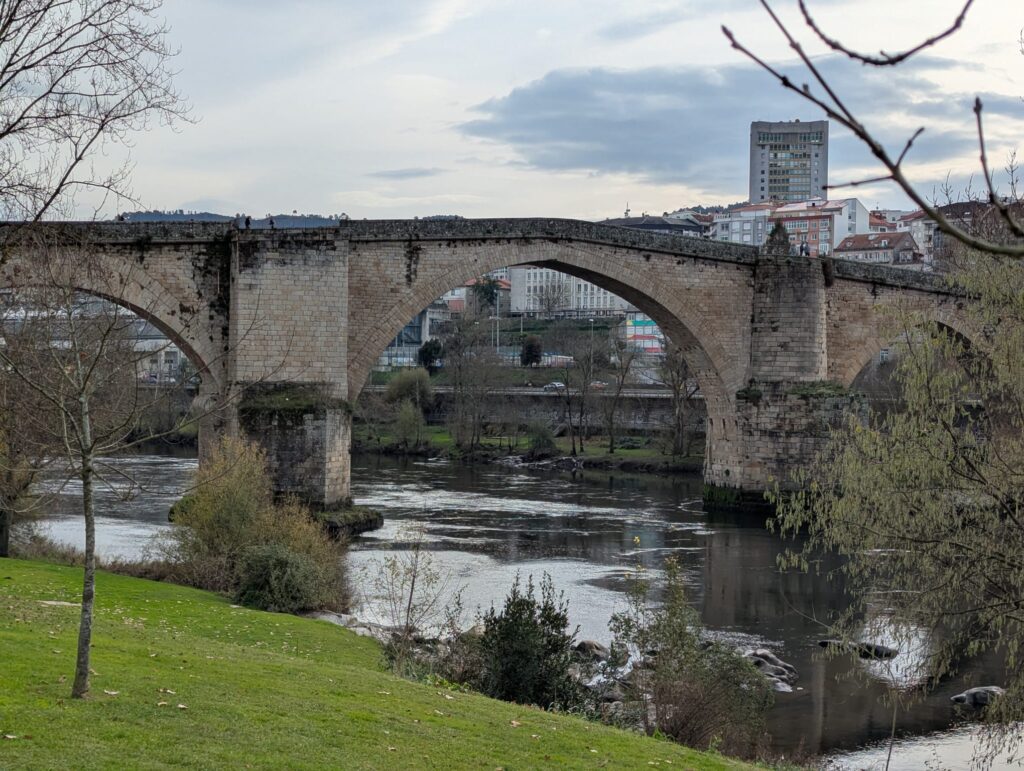
Ourense: Inland, Warmer, and Underrated
Ourense is Galicia’s inland thermal city, sitting along the Río Miño with hot mineral springs running right through it, some free and open to the public. Because it’s inland, it has a noticeably different climate from the coast: hotter, drier summers and colder winters, without the constant rain.
It’s smaller and less internationally known than Santiago, A Coruña, or Vigo, which means fewer expats and a more purely Galician daily life. Cost of living tends to be lower here too. It’s also well positioned for exploring the Ribeira Sacra, the river canyon region to its north.
Best for: people who want a real Spanish/Galician city experience, don’t need an international community around them, and like the idea of a hot spring a short walk from home.

Ribeira Sacra and Rural Lugo Province: Where We Live
This is the part we can speak to directly. The Ribeira Sacra is a river canyon region straddling Lugo and Ourense provinces, known for its terraced vineyards, monasteries, and the Sil and Miño rivers cutting through steep, green hillsides. We live in a small village here, and the reality of that choice is worth being honest about.
The upsides are real: extraordinary landscapes on your doorstep, a slower pace of life, low cost of living, and a strong sense of place. Villages here can have a handful of permanent residents, and the silence and darkness at night are things you don’t get in a city.
The trade-offs are equally real. Services are limited and often a drive away. Spanish (and ideally some Galego) becomes far more necessary here than in Santiago or A Coruña, since almost nobody in daily rural life speaks English. Winters can feel isolating if you’re used to city life, and you need to be genuinely comfortable with your own company, or your household’s. This is not a place to move to expecting an expat social scene to already exist.
Best for: people who want landscape and quiet over convenience, are willing to learn Spanish seriously, and are moving toward a specific way of life rather than away from something else.
How to Actually Choose
A few honest questions worth asking yourself before picking a spot:
How much Spanish are you willing to learn, and how fast? The coastal cities give you more room to ease into it. Rural inland Galicia does not.
Do you need a job locally, or are you bringing your income with you? Vigo and Santiago have the most local job opportunities. If you’re remote-working or retired, that constraint disappears and opens up the whole map.
How much do you need other expats nearby? Santiago has the most built-in international community. Rural Galicia has close to none.
City energy or silence? This sounds obvious, but it’s worth being honest with yourself about which one you’ll actually be happy with after the novelty of moving wears off.
There’s no wrong answer here, only a wrong fit. Galicia is small enough that wherever you land, the rest of the region is a manageable drive away.